Umahi takes responsibility for Lagos-Calabar highway procurement and rejects Tinubu influence claim
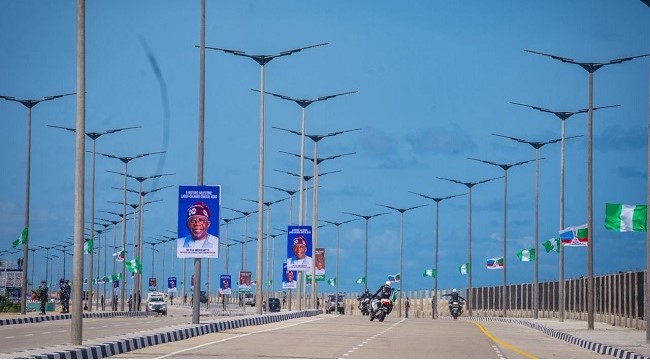
Works Minister David Umahi has defended the Federal Government’s decision to award the Lagos-Calabar Coastal Highway project to Hitech Construction through a special procurement process. He said President Bola Tinubu did not direct the choice, while also arguing that the highway was designed above flood levels and would not be submerged.
Works Minister David Umahi has rejected claims that President Bola Tinubu influenced the award of the Lagos-Calabar Coastal Highway contract to Hitech Construction Company, saying he alone was responsible for the procurement decision. Speaking on Channels Television’s Politics Today, Umahi said Tinubu had never instructed him to select Hitech. He said the President had given him responsibility for the works portfolio and that he remained accountable for decisions taken within it.
The minister also dismissed suggestions that the project was being used for money laundering. Umahi defended the use of a special procurement process, saying Nigerian law permits several approaches, including restrictive selective tendering for urgent projects. Under the procedure he described, a limited number of companies can be invited, assessed through the Bureau of Public Procurement and then taken through commercial bidding.
He said Hitech was chosen because of its previous experience addressing coastal erosion and restoring Victoria Island. Umahi referred to work the company had carried out in Lagos, arguing that its methodology had helped tackle what he called the ocean menace. He rejected the idea that the company owner’s friendship with Tinubu affected the award, saying he took full responsibility for the decision.
The minister also disputed criticism that the contract should have been submitted to the National Assembly. He said parliamentary approval was required for the borrowing plan rather than for the procurement itself. His explanation addressed the distinction between how a project is contracted and how the government finances it, but the reports do not include an independent assessment of the procurement process or the approval question.
Umahi’s latest defence came alongside assurances about flooding. Channels Television reported that he said the road had been raised above the existing flood level after studies found that surrounding properties had been built below levels now affected by rising water. He maintained that the highway was not flooded and would not be submerged.
He attributed flooding along the corridor to rising water levels associated with global warming and climate change, as well as older buildings constructed before those conditions became a major concern. He argued that flooding on both sides of the road indicated that the highway was not the cause. The minister said properties and drainage systems in the area had predated the project, and that some channels built by the Lagos State Government were blocked or inadequate.
Punch Nigeria reported further details of the government’s proposed response: hydraulic channels would be built at intervals to move water from the ocean side toward the lagoon, while service lanes would improve access for residents and help address drainage. Umahi said the road would last between 50 and 100 years with low maintenance. The reports record the minister’s assurances and explanations, but do not provide an independent engineering assessment of the highway’s flood resilience or the contract’s value.
Vertrix News compared the attributed reports listed below and wrote this independent synthesis. Claims remain attributed where independent verification was unavailable.