US and China advance rival sixth-generation fighter programmes
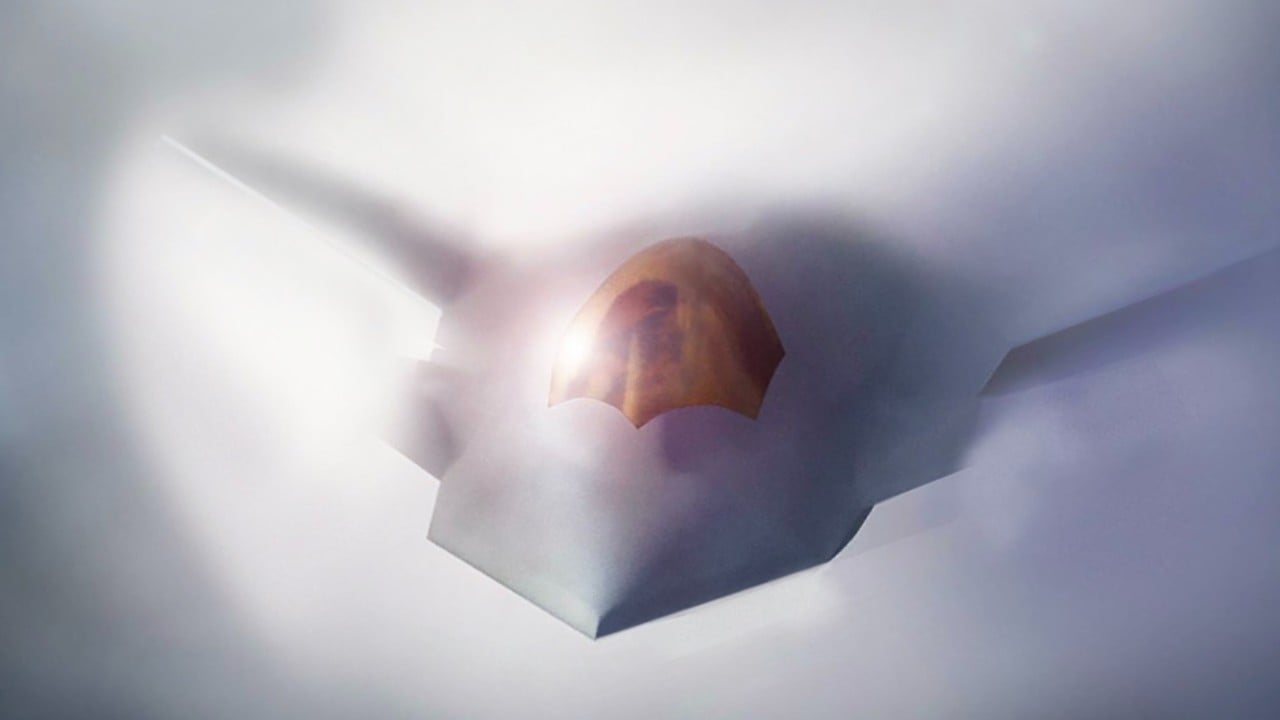
A senior US Air Force official says the F-47 is targeted to fly in 2028 and could enter production before the end of President Donald Trump’s term. China is also flight-testing the tailless aircraft commonly called the J-36 and J-50, but analysts caution that public evidence is insufficient to determine which programme is ahead.
The United States says its F-47 programme is advancing towards a first flight in 2028, while China continues testing two next-generation fighter aircraft. Brigadier General Timothy Helfrich, the US Air Force’s portfolio acquisition executive for fighters and advanced aircraft, said during a Mitchell Institute event that the F-47 would be the world’s first sixth-generation fighter. He said it was expected to fly before President Donald Trump’s term ends in January 2029.
The US Navy has also selected Boeing, which is developing the F-47, for its F/A-XX carrier-based fighter under a development contract worth more than $20 billion. Helfrich described fighter production capacity as a strategic asset, noting that the US currently has three active fighter lines for the F-35, F-15EX and F-16. The US Air Force plans to acquire at least 185 F-47 aircraft.
Helfrich said the fighter was intended to be more survivable than existing fifth-generation aircraft and to work with collaborative combat aircraft, including uncrewed systems. China’s tailless aircraft, commonly known as the J-36 and J-50, have been observed on test flights since December 2024. Beijing has released limited information about the programmes, making direct comparisons difficult.
Analyst Andreas Rupprecht said the J-36 had no direct US Air Force counterpart, while the smaller J-50 appeared closer to the F-47 in size and configuration. Other experts cautioned that similar shapes could reflect the demands of low-observable design rather than identical technology, weapons or missions. Visible changes to Chinese prototypes suggest continuing technical and aerodynamic refinement.
Analysts said newer aircraft appeared to show more integrated systems, but stressed that neither programme could be judged fully mature from public footage. Rupprecht said flight dates alone could not establish which country was ahead because much remained unknown about classified demonstrators, requirements and development histories. Further aircraft and evidence of a settled design would provide stronger indications of progress.
This independently written report is based on information supplied by the named publisher. Vertrix News has not independently verified the source report.