US missile shortages raise questions over Taiwan’s rocket defences
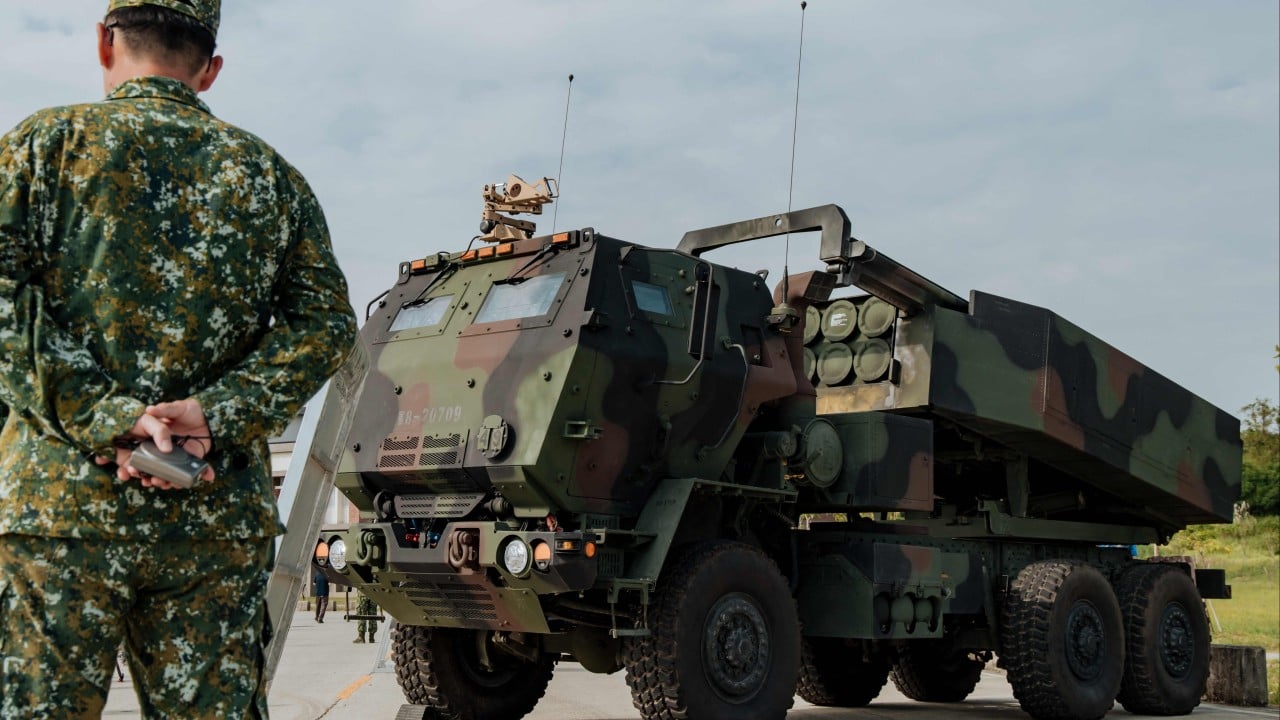
Taiwan is expanding its planned HIMARS fleet as questions grow over the availability of long-range missiles for a possible Taiwan Strait conflict. The source material says US stocks of key munitions were heavily depleted during the war with Iran, while China has more than 200 comparable PHL-16 systems and a growing missile industry.
Questions over US ammunition stocks are adding uncertainty to Taiwan’s plans to expand its long-range rocket capabilities in the event of a conflict across the Taiwan Strait. Taiwan is due to receive all 29 HIMARS systems from its initial orders by the end of this year. A further 82 systems have been approved, bringing the planned total to 111, excluding US systems already deployed in the region.
The People’s Liberation Army is estimated to have more than 200 comparable PHL-16 systems. The central concern, however, is the availability of missiles for the launchers rather than the number of platforms. The source material says the US Army’s stocks of ATACMS and Precision Strike Missiles were heavily depleted during the war with Iran.
A Reuters report cited people familiar with the data as saying virtually all global stocks of the two missile types had been used. Taiwan has received 64 ATACMS and expects 20 more this year. Washington approved the sale of another 420 in December last year, potentially taking the total ordered to 504.
Lockheed Martin, which makes ATACMS, is phasing out production, leaving the pace of replenishment and delivery uncertain. China’s PHL-16 has been shown in live-fire exercises using an airburst guided rocket and a 750mm tactical ballistic missile with a range of 500km, according to the material. The system is described as a modular rocket artillery platform.
The Pentagon estimated that China had at least 3,150 ballistic missiles and 300 ground-launched cruise missiles in 2024. A Bloomberg analysis identified 81 Chinese companies in the missile supply chain, while nearly 40% reported record sales in 2025. A Pentagon inspector-general report said spending on munitions accounted for $22.3 billion of the estimated $33.4 billion cost of Operation Epic Fury between February 28 and June 30.
It said the expenditure had caused strategic inventory shortfalls and exposed industrial bottlenecks.
This independently written report is based on information supplied by the named publisher. Vertrix News has not independently verified the source report.