US proposes G20 framework to confront steel overcapacity
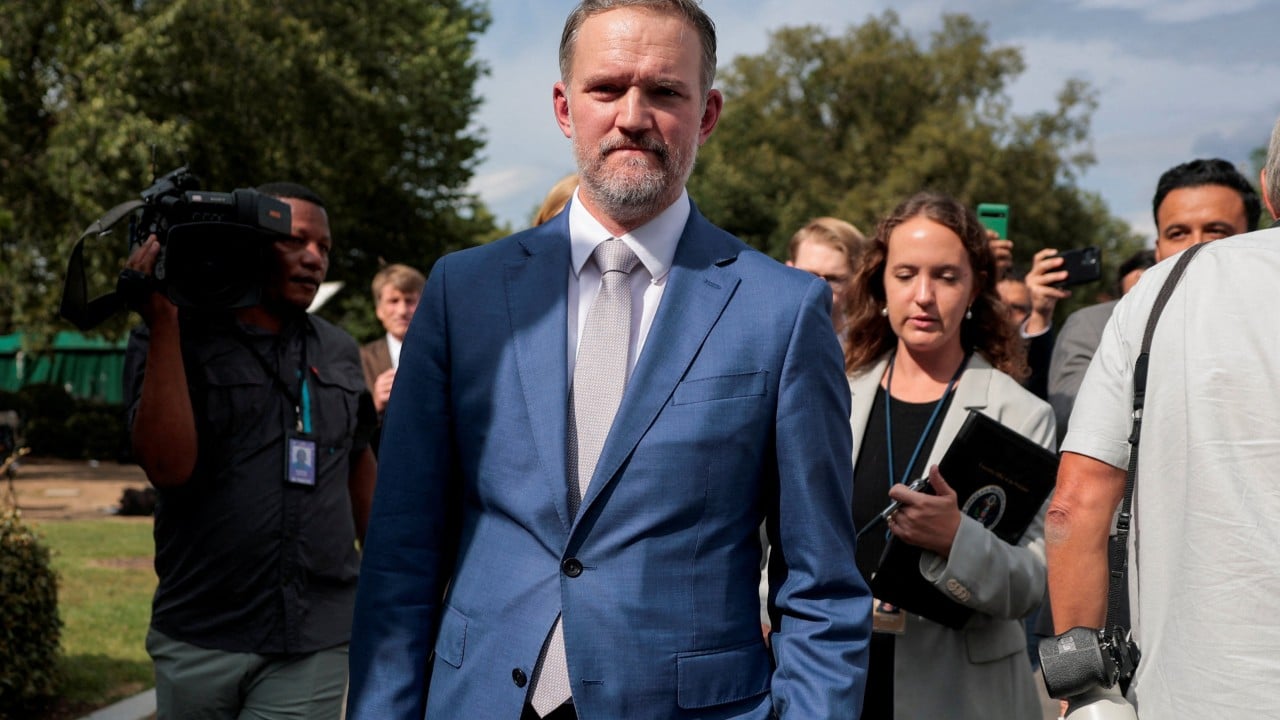
US Trade Representative Jamieson Greer has proposed a framework urging countries to curb market-distorting subsidies and share information about non-market practices linked to excess steel capacity. The initiative comes as Washington maintains pressure on China and other trading partners while preserving a temporary trade arrangement with Beijing.
The United States has proposed a new international framework to tackle excess steel production capacity, urging countries to strengthen safeguards against imports supported by market-distorting policies. US Trade Representative Jamieson Greer announced the proposal on Wednesday during the Group of 20 Trade Ministers’ meeting in Milwaukee, Wisconsin. He said the United States had taken strong measures and suggested that other countries should consider similar action.
The Global Forum on Steel Excess Capacity adopted what the United States called the “Milwaukee Framework”. It calls for countries to reduce or eliminate market-distorting subsidies and share information about non-market policies and practices in countries outside the forum. Greer did not name China when describing the initiative, but the proposal comes amid long-running scrutiny of Chinese steel production and exports.
China is not a member of the 28-country forum, which includes Canada, Mexico, Japan, South Korea, France and Germany. China produced about 960.8 million tonnes of crude steel in 2025, accounting for nearly 52 per cent of global output, according to the supplied report. Countries have imposed tariffs, anti-dumping duties and other restrictions on Chinese steel over the past two decades.
Greer said the US steel industry was experiencing a “renaissance” because of tariffs, trade agreements, tax treatment, energy policy and domestic entrepreneurship. Washington has expanded steel tariffs to imports from allies and competitors, including China, Canada, Mexico and Brazil. The Trump administration is also preparing possible additional tariffs on 16 economies, including China, Japan, South Korea and India, after an investigation into excess industrial capacity.
At the same time, Washington extended a temporary trade agreement with Beijing for two months during Chinese President Xi Jinping’s state visit. The two sides also launched a Board of Trade mechanism and announced tariff reductions for non-sensitive products, capped at US$30bn each. China has rejected US claims about deliberately creating trade surpluses, saying global imbalances require structural reforms by all countries.
This independently written report is based on information supplied by the named publisher. Vertrix News has not independently verified the source report.