US sets no date for implementing new China trade mechanism
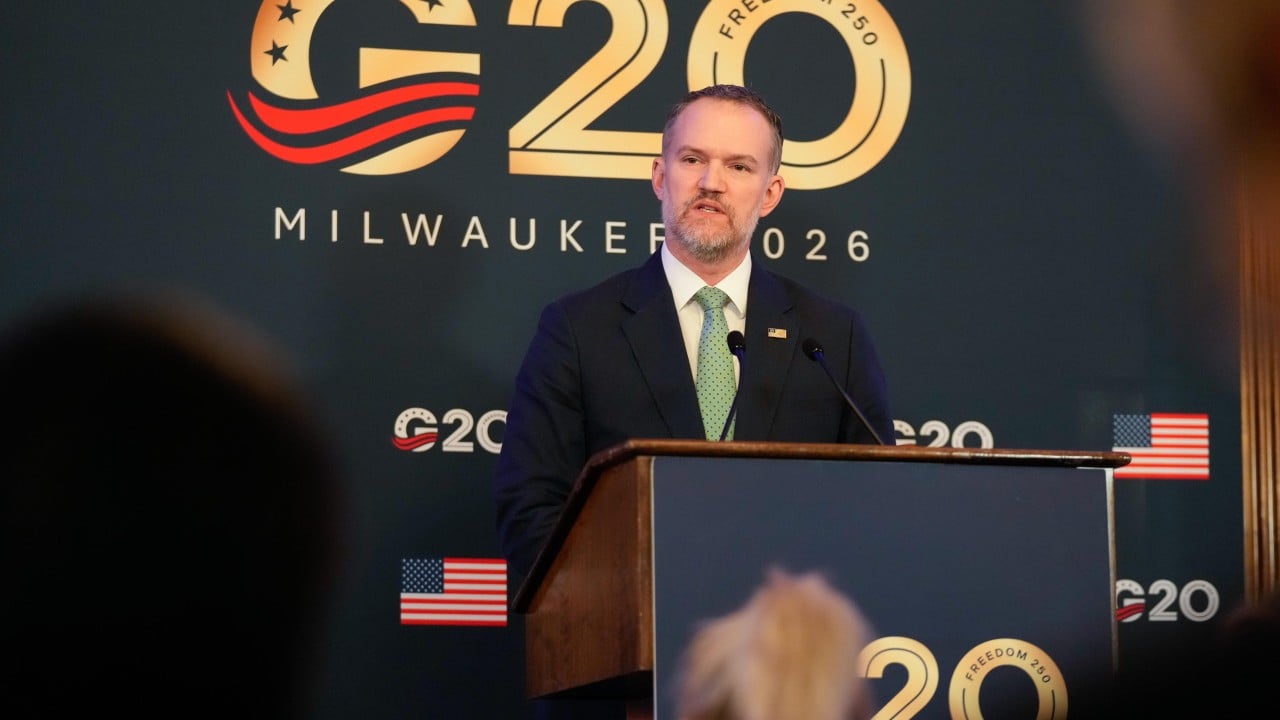
US Trade Representative Jamieson Greer says Washington has not set a timetable for implementing the US-China Board of Trade, including agreed tariff reductions. He said recommendations must pass through legal procedures, while a G20 trade ministers’ meeting ended without consensus on forced labour and excess production capacity.
The United States has not set a timetable for implementing the US-China Board of Trade, US Trade Representative Jamieson Greer said on Thursday. Speaking on the sidelines of the Group of 20 Trade Ministers’ meeting in Milwaukee, Wisconsin, Greer said tariff reductions agreed through the mechanism were a policy outcome that still had to pass through a legal process. He said the US government could publish the Board of Trade’s recommendations for public consideration before undertaking further exchanges and making a legal determination on whether to adopt them in a tariff action.
Greer said Washington had to follow its legal procedures. The mechanism was launched at last week’s summit involving Chinese President Xi Jinping and the US government. On Sunday, the two countries published lists of non-sensitive products worth up to US$30 billion each that could qualify for tariff reductions.
The US list included 77 categories of Chinese imports, including microwave ovens, electric irons, Christmas ornaments and toys. China’s list included agricultural products such as beef and vegetables, as well as coal, timber and medical devices including hearing aids and pacemakers. China’s Ministry of Commerce said more than 90 per cent of the listed products would receive most-favoured-nation tariff rates, with reciprocal tariffs fully waived.
The two governments also agreed to extend their Busan trade truce until January 10, 2027. The G20 trade ministers’ meeting ended without consensus on forced labour and excess production capacity, two priorities of Washington’s 2026 presidency of the forum. Greer said it was unfortunate that members could not agree on a statement concerning imports made with forced labour, adding that the disagreement extended beyond China.
Washington also failed to secure a consensus on excess capacity in industries including steel, vehicles, batteries and solar panels. Greer said the issue required action, while China has denied US allegations related to forced labour and trade imbalances. Separately, the Global Forum on Steel Excess Capacity adopted a US-proposed framework calling for countries to reduce or remove market-distorting subsidies and share information about non-market policies and practices.
China is not a member of the 28-country forum. The G20 ministers did agree on denouncing the weaponisation of food through coercive trade actions.
This independently written report is based on information supplied by the named publisher. Vertrix News has not independently verified the source report.