US Supreme Court opens term with climate, immigration and gun cases ahead
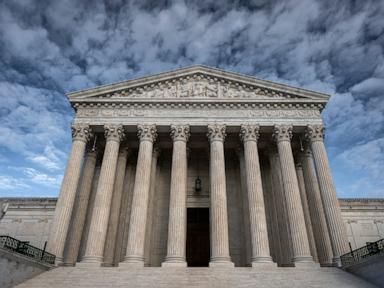
The US Supreme Court has begun a new term featuring disputes over climate-related lawsuits against energy companies, immigration detention and deportations, semiautomatic rifle bans and religious participation in a Colorado preschool programme. The justices will also consider Arizona voting rules requiring citizenship proof and voter-roll reviews.
The US Supreme Court has begun a new term with major cases involving climate change, immigration, gun rights, voting rules and religious participation in public programmes. The term opens with a case brought by energy companies seeking to block lawsuits filed by communities that want the companies to contribute to the costs of climate-related damage. The dispute comes from Boulder, Colorado, and could involve billions of dollars.
Suncor and ExxonMobil argue that court litigation is not the appropriate way to address the global climate issue. The Trump administration supports the companies and says the lawsuits represent an attempt to impose emissions regulations through the courts. The justices will also hear two immigration cases.
One concerns migrants who cannot quickly be returned to their home countries and have been sent to other countries under agreements that the report describes as often secret. The other concerns mandatory detention of people living illegally in the United States, including those who have been in the country for years. A gun-rights case involving state bans on semiautomatic rifles, including AR-15-style weapons, is scheduled for December.
States say the weapons are disproportionately used in mass shootings, while challengers argue that the restrictions violate the Second Amendment. The court will also consider Arizona voting requirements, including proof of citizenship for people registering with a state form and regular reviews of voter rolls where citizenship cannot be confirmed. Arguments are set for December.
In November, the court is due to hear a dispute involving Catholic preschools and Colorado’s publicly funded universal preschool programme. The religious school says it was excluded because of its faith-based admissions policies; Colorado says participating schools must comply with nondiscrimination rules.
Vertrix News compared the attributed reports listed below and wrote this independent synthesis. Claims remain attributed where independent verification was unavailable.