Weak Indian monsoon threatens rural spending after poor harvests
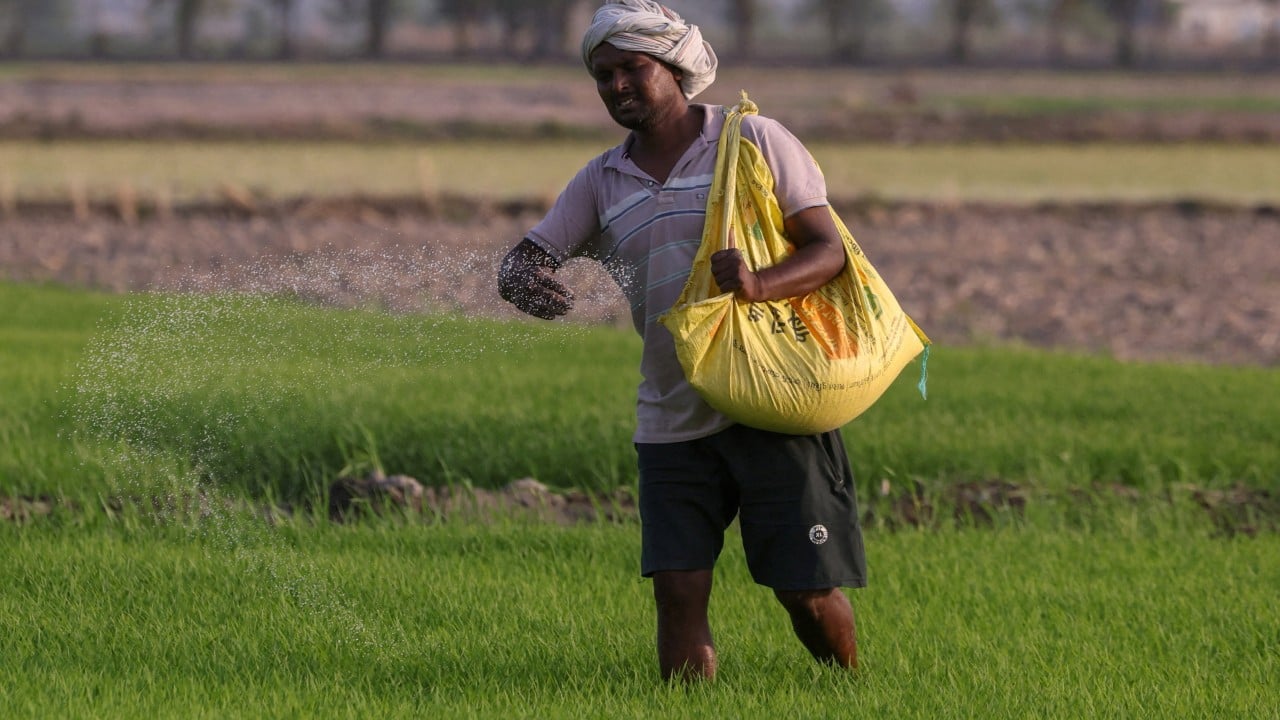
India’s weakest monsoon rainfall since 2015 has damaged harvest prospects and raised concerns about rural incomes and consumer spending. Farmers reported lower rice yields and higher costs for fuel, fertiliser and pesticides, while economists warned that weaker agricultural earnings could affect purchases of vehicles, appliances and other goods.
Erratic and below-average monsoon rains have damaged harvest prospects in India and raised concerns about rural incomes, food prices and consumer spending, according to the report. The India Meteorological Department said cumulative rainfall during the June-to-September monsoon was 12.6 per cent below the long-term average, making it the country’s weakest rainfall period since 2015. The monsoon supplies about 75 per cent of India’s annual rainfall, while only about half of farmland is irrigated.
Farmers in the northern grain belt reported weaker rice yields and higher production costs. Jitender Sandhu, who farms in Haryana, said output from his 50 hectares was about one-fifth below the previous year. He also spent more on pesticides, fuel and repairs after crop disease and power outages affected irrigation.
Another Haryana farmer, Jaipal Singh, said his yield was about 10 per cent lower after rain arrived at the wrong stages of the crop cycle. The report said heavy rain during grain-filling in Uttar Pradesh also reduced rice yields. The impact extends beyond agriculture.
Weaker harvests leave farmers with less money after buying seeds and inputs for the next crop. That could reduce purchases of items commonly bought after harvest, including motorcycles, tractors, televisions and refrigerators. Economists cited in the report warned that lower farm incomes could weaken rural consumption.
Reserve Bank of India data showed tractor-sales growth slowed to 0.8 per cent in August from 28.1 per cent in July, while two-wheeler growth also eased. The weather has affected energy and water conditions as well. Hotter weather has increased cooling demand, while weak rainfall has contributed to pressure on hydropower generation.
India’s electricity deficit reached its highest September level in nearly a decade, the report said. The full economic effect may become clearer later in the year as winter crops develop and more produce reaches markets. Rising food prices remain an additional concern.
This independently written report is based on information supplied by the named publisher. Vertrix News has not independently verified the source report.