Xi-Trump warmth offers stability but leaves US-China rifts unresolved
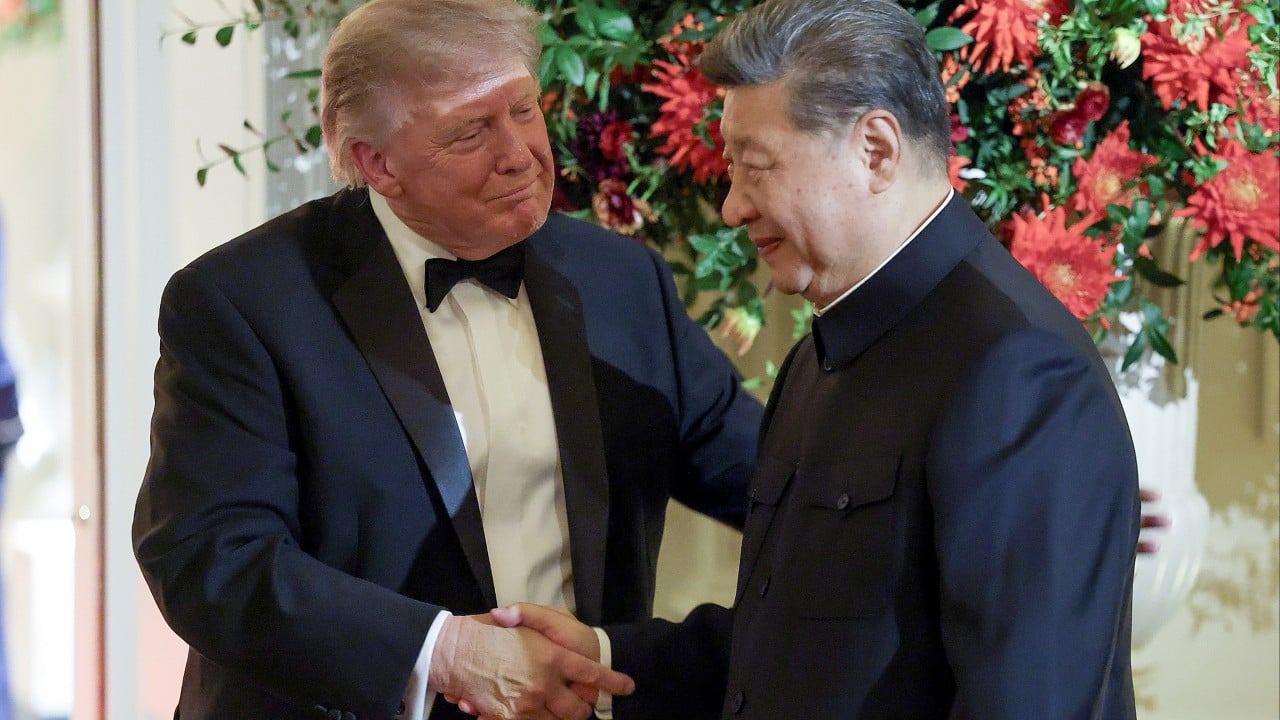
Analysts say the warm presentation of the latest Xi Jinping-Donald Trump summit may reduce immediate tensions between the United States and China, but the meeting produced few concrete outcomes. Trade, technology, Taiwan and military mistrust remain unresolved, while limited lower-level communication could increase the risk of misunderstanding.
The latest summit between US President Donald Trump and Chinese President Xi Jinping projected warmer relations but produced few concrete deliverables, analysts said. The three-day meeting ended on Friday after both leaders emphasised personal ties and described the relationship in terms of mutual trust and future cooperation. Xi said the two leaders were making history through repeated meetings, with further encounters planned at the Asia-Pacific Economic Cooperation summit in Shenzhen and the G20 in Miami.
Analysts said the meetings and public display of restraint could create a period of relative stability compared with the previous year’s trade confrontation and market turmoil. Sara Schuman, a former US diplomat in Beijing, said the state visit itself was the central deliverable. The summit did not publicly resolve major structural disputes.
The source material says China’s control of rare-earth minerals, its growing strength in artificial intelligence, electric vehicles and renewable technologies, and the two countries’ trade and technology rivalry remained central issues. Washington and Beijing also continue to disagree over Taiwan and high-end semiconductors. A trade truce was extended until January 10.
Possible reciprocal trade carve-outs, potentially involving non-strategic farm products, apparel, consumer electronics and other manufactured goods, were expected to be detailed later. Experts cautioned that frequent leader-level meetings could make large agreements and structural reforms less likely because Trump favours direct negotiations with limited preparation. They also said warmth at the top masked distrust among officials and hawks on both sides.
Lower-level military and bureaucratic channels have narrowed, while the lack of written agreements could encourage different interpretations. Emily Kilcrease, a former US trade negotiator, said clearer contacts were important because low trust increased the danger of miscommunication during a crisis.
This independently written report is based on information supplied by the named publisher. Vertrix News has not independently verified the source report.