Ancient Egyptian skull injuries revive debate over retainer sacrifice
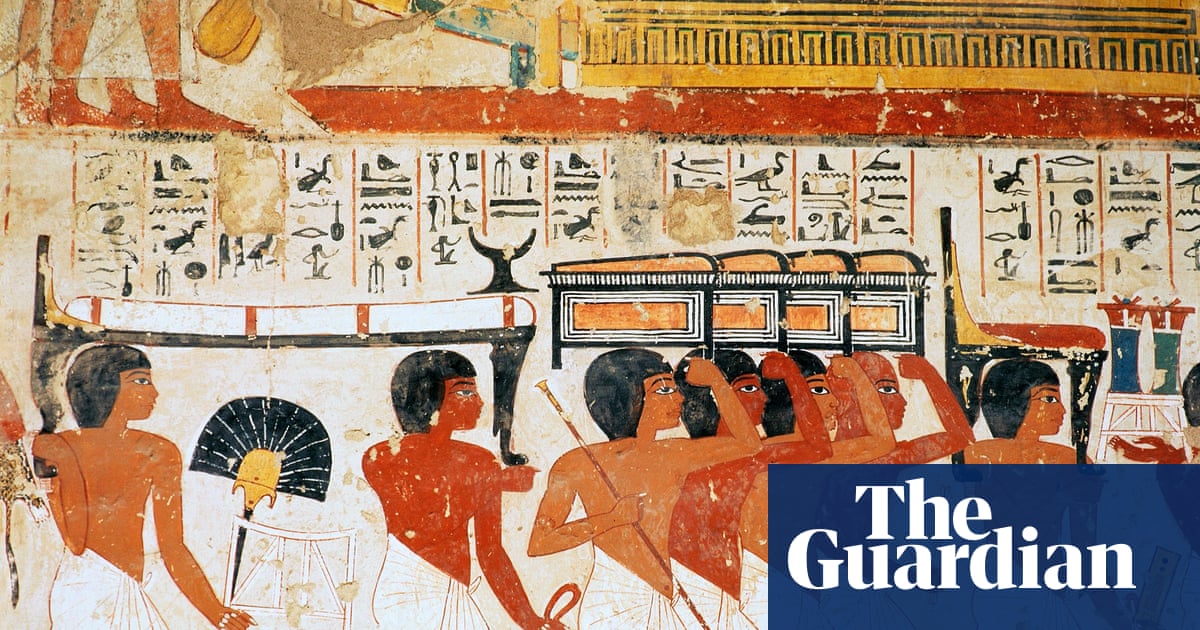
A study of 46 skulls from Egypt’s Umm el-Qa’ab royal cemetery found potentially lethal injuries in 18 remains, offering evidence that some people buried near First Dynasty rulers may have been violently killed. Researchers caution that the sample is small and cannot establish whether all retainers were sacrificed.
A study of ancient Egyptian remains has found injuries in several skulls from a royal cemetery, reviving debate over whether servants were sacrificed when early kings died. The remains came from Umm el-Qa’ab near Abydos, a cemetery containing tombs and enclosures dating to the First Dynasty, about 3,000 years ago. Graves surrounding royal structures are believed to have belonged to people associated with royal households, including officials, inspectors and artisans.
Dr Roselyn Campbell of Purdue University examined 46 skulls from retainers buried near King Djer, King Djet and Queen Merneith. Writing in Frontiers in Environmental Archaeology, she reported that 18 showed potentially lethal trauma, including fractures and one injury involving a chopping wound to the eye. The findings support, but do not conclusively prove, the idea that some retainers were killed as part of royal funerary rituals.
Earlier excavations by Egyptologist Flinders Petrie found no clear trauma, leading to suggestions that the people may have been buried alive or died naturally before being reburied. Campbell said the injuries were unlikely to have been caused by the mace often depicted in Egyptian art. She suggested that flat, wide objects made from wood or antler were more likely causes.
She stressed that skulls without trauma cannot be confirmed as evidence of sacrifice and that the small sample may not represent the entire burial population. The practice appears to have declined quickly and disappeared by the beginning of the Second Dynasty, according to the study. Egyptologist Salima Ikram said the research applied rigorous modern methods to the question.
Another expert, Dawn McCormack, said violence was plausible but noted that not everyone at the site may have accepted the practice.
This independently written report is based on information supplied by the named publisher. Vertrix News has not independently verified the source report.