China’s Apec hosting could strengthen Xi’s hand in Trump meeting
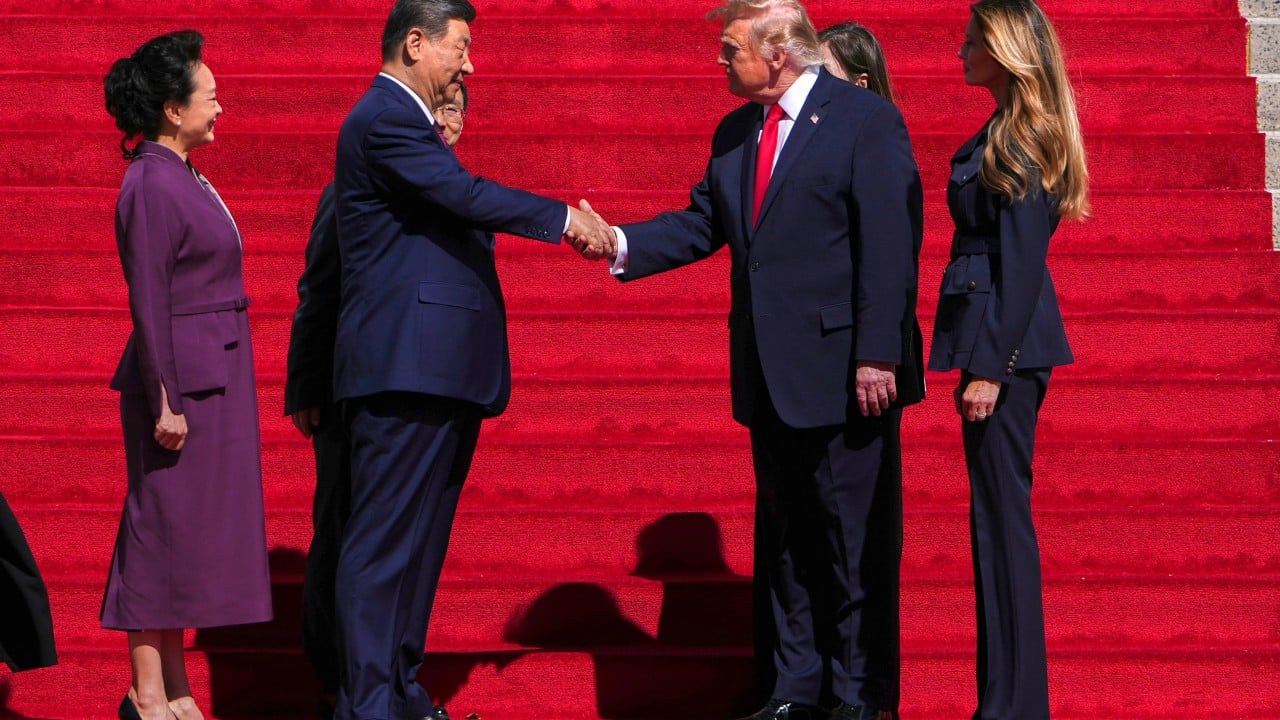
Experts say Chinese President Xi Jinping may enter a November Apec meeting with greater diplomatic leverage than during his recent Washington visit. They point to an improved bilateral framework, warmer exchanges and Beijing’s control of the summit agenda, while cautioning that domestic US politics and Taiwan arms sales could test the current stability.
Chinese President Xi Jinping is expected to have greater diplomatic leverage when US President Donald Trump travels to Shenzhen for the Asia-Pacific Economic Cooperation summit in November, according to experts cited by the South China Morning Post. Statements from both countries said Trump intended to attend the Apec forum, creating a third face-to-face meeting between the leaders this year. A further meeting is also indicated for the December Group of 20 summit in Miami.
Experts attributed Xi’s stronger position to an upgraded bilateral framework calling for a constructive relationship based on strategic stability, respect, fairness and reciprocity. They also cited the warmer tone of Xi’s recent three-day state visit to Washington. A key difference will be China’s role as host.
Chen Qi of Tsinghua University said Beijing would have more control over agenda-setting, subjects and preparations than the United States had during the Washington summit. He said the multilateral setting would provide China with a greater opportunity to display diplomatic influence. Ali Wyne of the International Crisis Group said the meeting could allow Xi to highlight China’s economic and diplomatic influence, including ties with US allies and partners.
He also said Trump valued the appearance of a strong relationship between the two leaders. The two sides have extended a trade truce that pauses new US tariffs while China suspends some rare-earth export controls. They have also recommended reciprocal tariff relief covering $30 billion in non-sensitive trade in each direction.
Chinese analysts said frequent meetings could create a period of relative stability, but warned against assuming long-term predictability. They identified US midterm elections, the conflict in Iran and possible American arms sales to Taiwan as issues that could disrupt the current diplomatic momentum.
This independently written report is based on information supplied by the named publisher. Vertrix News has not independently verified the source report.