Chinese analysis urges coordinated system to protect overseas interests
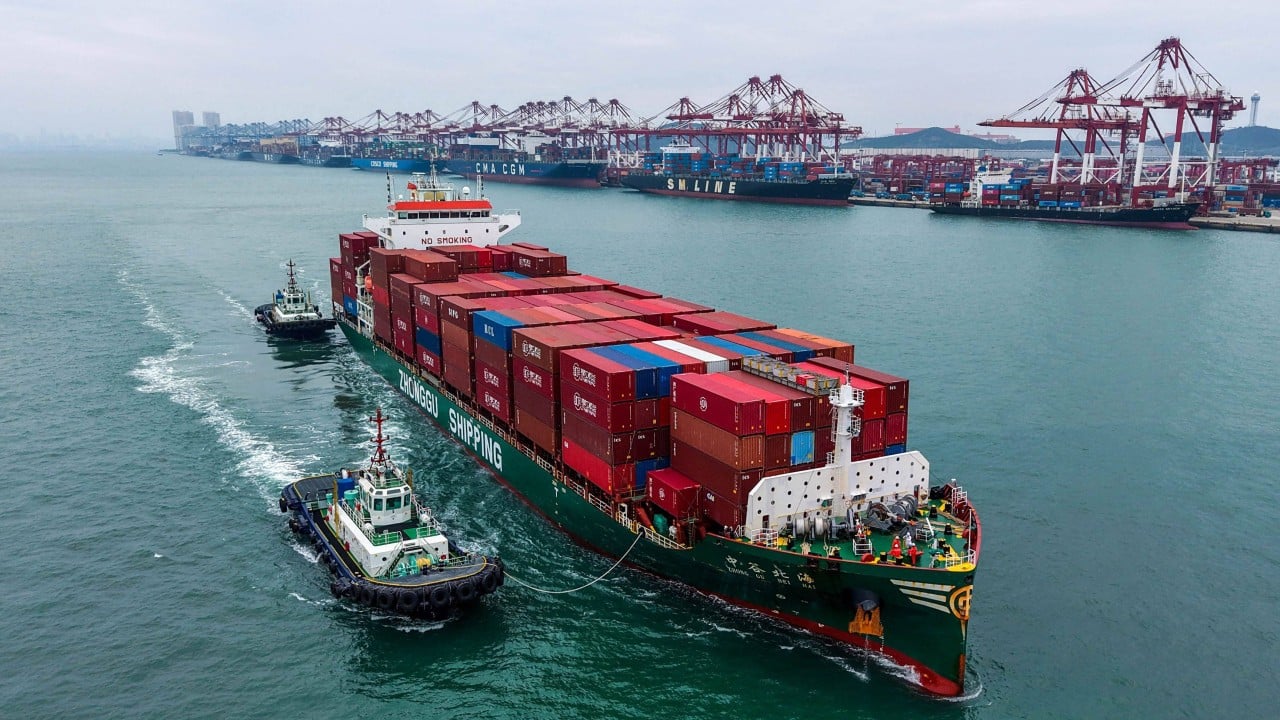
An analysis published by a Chinese security research account has called for Beijing to move from crisis response to prevention and cooperation in protecting companies, personnel and supply chains abroad. It recommends closer coordination between state departments, stronger diplomatic engagement and security partnerships with host countries.
China should build a coordinated system to protect its expanding overseas interests, according to an analysis published by the Global Security Research social media account. The author was not identified. The account regularly publishes commentary on Chinese national-security issues, including nuclear matters, supply chains and technological sovereignty.
The analysis called on Beijing to move beyond managing individual crises and focus on prevention, cooperation and long-term planning. It said responsibilities across diplomacy, commerce, security and the military should be streamlined into a unified national approach. It also urged China to engage more actively in shaping international rules, particularly in global investment, trade and maritime security.
The analysis recommended deeper security cooperation with countries where Chinese companies and personnel operate, especially partners in the Belt and Road Initiative. It proposed joint mechanisms covering law enforcement, counterterrorism and transnational crime to protect Chinese projects and workers. The recommendations come as Chinese businesses face legal, policy and geopolitical challenges in overseas markets.
Ministry of Commerce data cited in the analysis says more than 50,000 Chinese companies were operating abroad across 190 countries and regions by the end of last year. China’s cumulative outbound investment has remained among the world’s top three for nine years, while outbound direct investment reached US$174.38 billion in 2025, a 7.1 per cent annual increase. The analysis identified foreign sanctions, investment screening, export controls, changing regulations and what it called the politicisation of Chinese investment as growing risks.
It referred indirectly to the United States when discussing the use of national security arguments against foreign enterprises. It also highlighted vulnerabilities in mining, undersea cables and maritime routes. The analysis recommended using big data, artificial intelligence and satellite remote sensing to monitor global risks, key projects and critical transport corridors, including the Strait of Hormuz and Strait of Malacca.
This independently written report is based on information supplied by the named publisher. Vertrix News has not independently verified the source report.