Chinese business leaders excluded from Xi-Trump state dinner after summit tensions
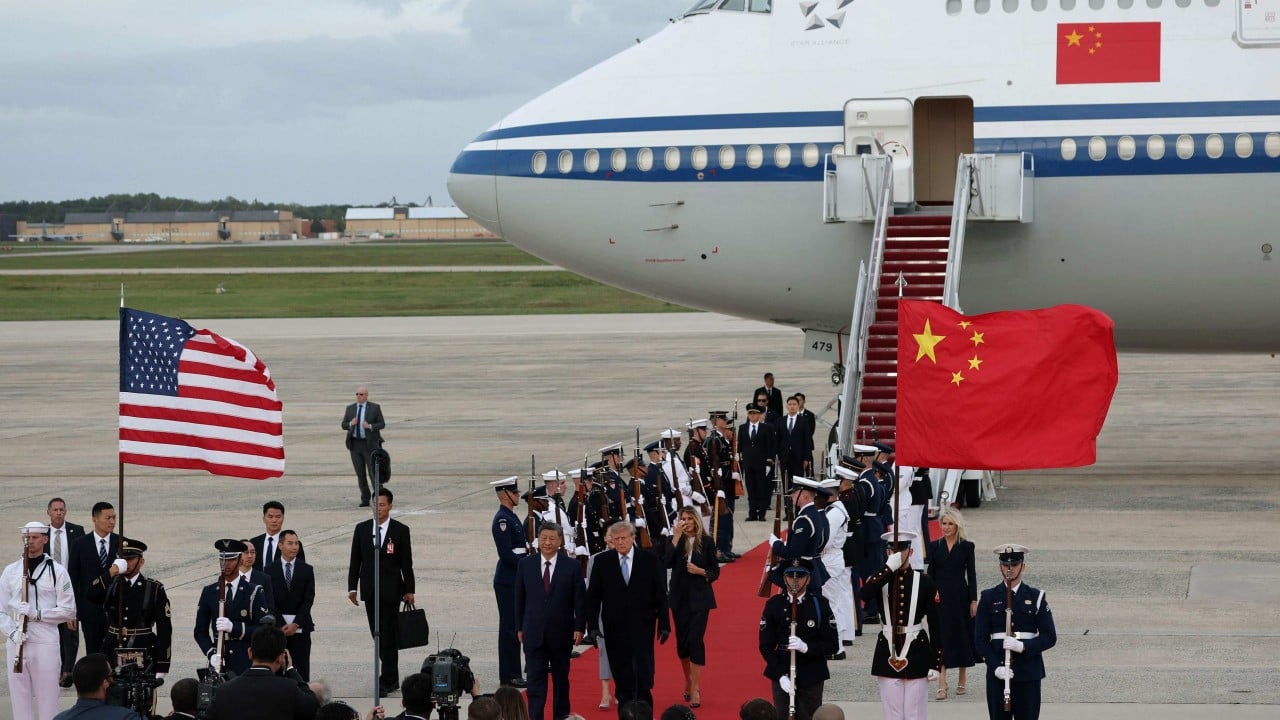
Chinese executives who travelled to Washington for President Xi Jinping’s visit were ultimately excluded from the White House state dinner, according to sources cited by the South China Morning Post. The proposed delegation reportedly foundered over communication, differing interpretations of reciprocity and unresolved questions about Chinese investment in the US.
Chinese business leaders who travelled to Washington for President Xi Jinping’s visit were left out of the White House state dinner after the two governments failed to agree on their participation, according to multiple sources cited by the South China Morning Post. The executives’ attendance had been discussed for weeks, but invitations did not arrive before the dinner. Sources attributed the breakdown to poor communication, different interpretations of reciprocity and uncertainty over Chinese investment in the United States.
More than 130 guests attended the event, including prominent US business figures such as Tesla chief executive Elon Musk, Nvidia chief Jensen Huang, Advanced Micro Devices chief Lisa Su and Apple executive chairman Tim Cook. Nineteen members of the Chinese delegation were included among the 134 guests, according to the report. Chinese companies expected to be represented included electric-vehicle maker BYD, battery producer Contemporary Amperex Technology Limited and technology company Xiaomi.
Sources said Chinese executives were told to remain ready to travel at short notice even though Washington was slow to provide details about meetings and official engagements. The two sides also differed over what reciprocity required. Beijing regarded the US business leaders who accompanied Donald Trump during his May visit to China as part of the American delegation.
Washington, according to one source, wanted reciprocity to apply only to senior government officials. Potential investment announcements created another obstacle. The countries remained divided over an investment board and possible deals, including one involving Chinese batteries.
The US fact sheet repeated a reference to the board, while China’s account of the summit did not mention it. Treasury Secretary Scott Bessent and US Trade Representative Jamieson Greer discussed the issue with Chinese Vice-Premier He Lifeng in meetings before and during the visit, but sources said no agreement was reached. Trump has said he would accept Chinese carmakers establishing plants in the US, although the administration faced opposition from American carmakers and lawmakers.
This independently written report is based on information supplied by the named publisher. Vertrix News has not independently verified the source report.