England and Wales abandon broad plan to replace jury trials with judges
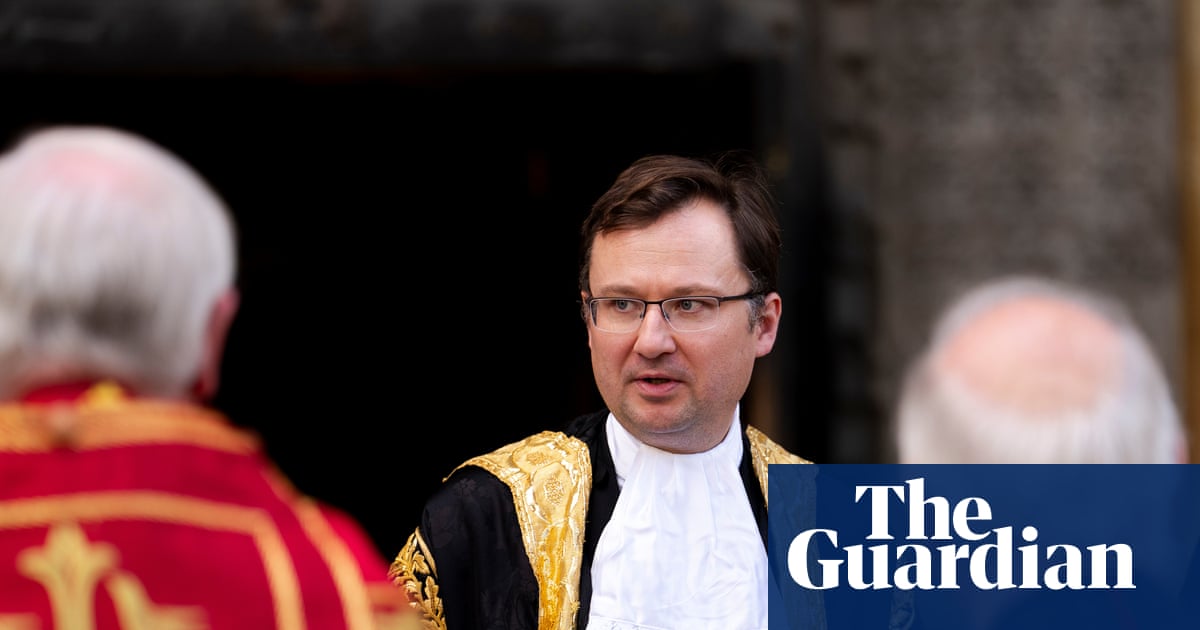
Ministers have withdrawn proposals to expand judge-only trials in England and Wales after opposition from lawyers and Labour MPs. The government will retain limited judge-only trials for complex fraud cases, while magistrates will gain greater sentencing powers and more control over whether some cases proceed to crown-court juries.
Ministers have withdrawn plans to substantially reduce jury trials in England and Wales, following strong opposition from lawyers and some Labour MPs. The proposals, developed under former justice secretary David Lammy, would have allowed defendants likely to receive sentences of up to three years to be tried without a jury. The government said the changes were intended to address a crown-court backlog approaching 81,000 cases and projected to reach 100,000.
Justice Secretary Alex Norris said the government had heard the strength of feeling and would change course. He said the decision would allow work to tackle the backlog to begin sooner, while promising continued investment and efforts to improve efficiency. Judge-only trials will remain for a small number of particularly lengthy and technical fraud cases where a judge decides a jury trial is unsuitable.
The government will also retain plans to remove defendants’ ability to choose a crown-court jury trial for certain “either way” offences; magistrates will make that decision instead. Magistrates’ sentencing powers are due to rise from a maximum of 12 months to 18 months, with an option to extend the limit to two years. Lawyers welcomed the reversal but warned that transferring more cases to magistrates could create new problems.
Kirsty Brimelow, chair of the Bar Council of England and Wales, called the expansion of magistrates’ powers a dangerous experiment while prisons were at capacity and the magistrates’ backlog was growing. She also warned that the proposed changes could deepen disparities affecting women, Black and mixed-race people, and older people. The victims’ commissioner, Claire Waxman, questioned whether the remaining measures would be sufficient to deliver faster justice.
She said victims needed reform that matched the scale of the backlog rather than a limited compromise. Courts Minister Sarah Sackman said other possible measures included using artificial intelligence to list cases, holding more virtual hearings and ensuring defendants arrived at court on time.
This independently written report is based on information supplied by the named publisher. Vertrix News has not independently verified the source report.