Bulgaria receives remains of medieval ruler after decades of talks with Greece
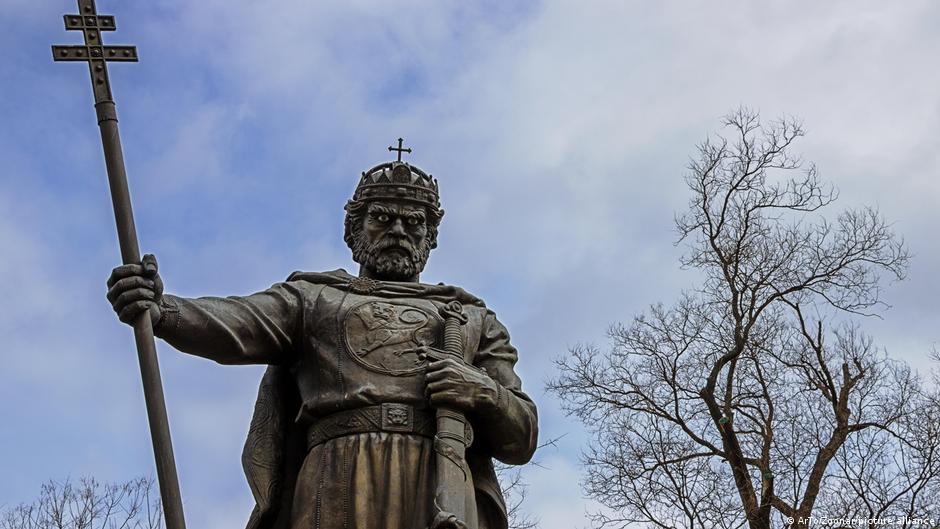
The remains of Czar Samuel, a major medieval Bulgarian ruler, were due to return to Sofia from Greece after decades of negotiations. Bulgaria planned a state reception with military honours, while Greece was to receive 48 objects taken from churches and monasteries during the First World War.
The remains of Czar Samuel, one of Bulgaria’s most important medieval rulers, were due to arrive in Sofia on Saturday after decades of negotiations between Bulgaria and Greece. Samuel ruled the First Bulgarian Empire from 997 to 1014 and extended his authority across parts of the Balkans. His forces were defeated by the Byzantine Empire at the Battle of Kleidion in 1014, after which Samuel is said to have died from shock when blinded soldiers returned from the battle.
The remains were discovered in a Greek border area about 60 years ago. Bulgaria planned to receive them with full state honours, including transport on a military aircraft, a fighter-jet escort, a 21-gun salute and a public procession to the Church of St Sophia. Free trains were to be provided for people travelling to the capital, while about 750 police officers were expected to be deployed during the ceremony.
Bulgarian Prime Minister Rumen Radev said the remains belonged to both peoples and represented a shared memory. Greek Prime Minister Kyriakos Mitsotakis described them as having considerable cultural, spiritual and emotional value for Bulgaria. In return, Greece was set to receive 48 sentimental objects taken by Bulgarian troops from churches and monasteries in northern Greece during the First World War.
Some Greek academics and religious leaders criticised the exchange as inadequate, but Mitsotakis said it supported the principle that historic objects should not be treated as spoils of war. The remains are also linked to a dispute over historical identity involving North Macedonia, where Samuel is commemorated. A 2022 bilateral commission recommended describing him as ruler of a state considered by most contemporary historians to have been the Bulgarian Empire, although much of the territory is now in North Macedonia.
Analyst Dimitar Bechev said the handover could strengthen Bulgarian national claims and had political significance before the country’s presidential election.
This independently written report is based on information supplied by the named publisher. Vertrix News has not independently verified the source report.