Former Hong Kong legislature chief urges review of 90-seat chamber
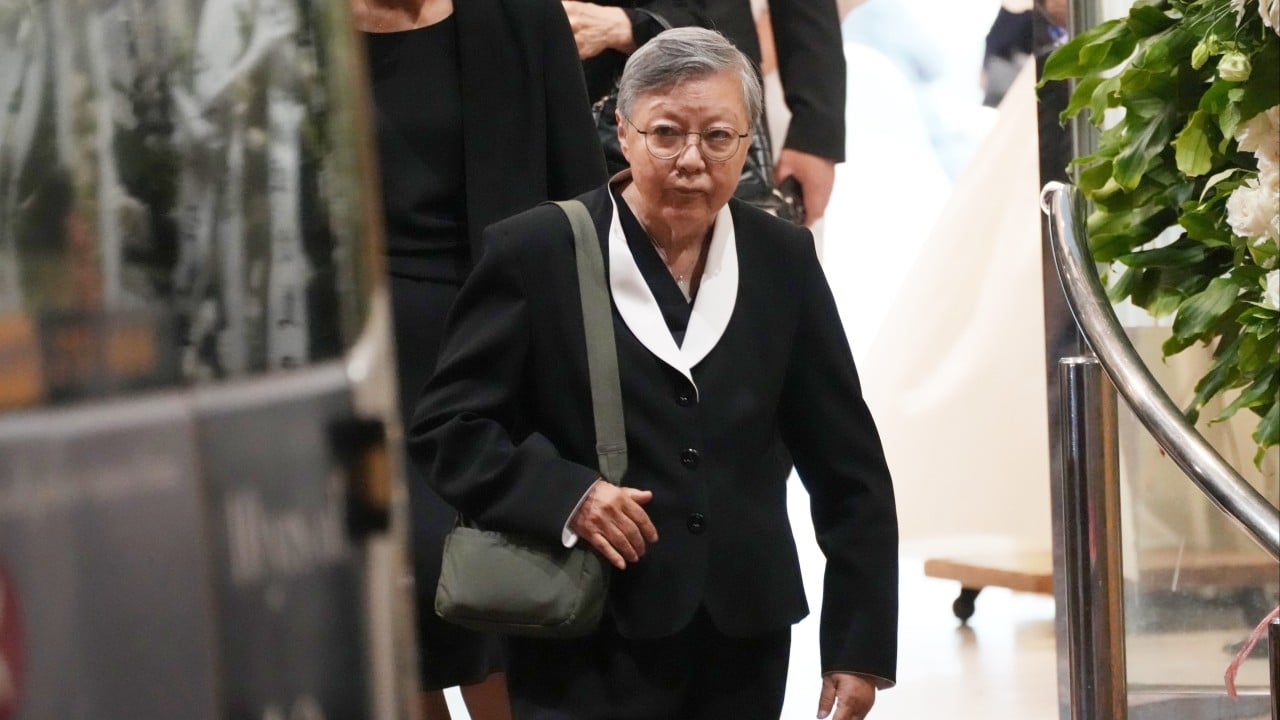
Rita Fan, Hong Kong’s first Legislative Council president, has suggested that the city review the number of seats in the legislature, saying a smaller chamber could reduce public costs. Legco expanded from 60 to 90 members in 2021 under an electoral overhaul that changed its elected and appointed composition.
Hong Kong’s first Legislative Council president, Rita Fan Hsu Lai-tai, has suggested that authorities review the size of the legislature, arguing that reducing its 90 seats could lower public spending. Fan made the comments during a radio programme on Sunday after being asked whether the current number of seats was excessive. She said maintaining 90 seats cost more than maintaining 60 and that the issue should be discussed and reviewed in the future.
Fan, who said she had stepped back from politics, cautioned that she was not offering substantive proposals. The number of Legco seats increased from 60 to 90 after Hong Kong’s electoral system was revised in 2021. Under the revised arrangement, 40 seats were selected by the Election Committee, 20 were directly elected by residents and 30 were chosen through functional constituencies representing professional and other sectors.
The overhaul also restricted participation to candidates deemed “patriots”. Fan said lawmakers should act cautiously and avoid even minor legal breaches. She said legislators should both convey residents’ views and serve as role models, warning that public confidence would suffer if they did not.
Her remarks followed recent disciplinary cases involving lawmakers. William Wong Kam-fai resigned after being arrested and prosecuted for dangerous driving following an alleged intoxicated crash. Hong Kong Island West representative Judy Chan Kapui was fined HK$2,000 for driving on the wrong side of the road and received a written warning from Legco’s Supervisory Committee.
Fan also recalled discussions before the 1997 handover about developing the Lok Ma Chau Loop on the Hong Kong-Shenzhen border as a technology hub. She said the plan did not proceed because senior Hong Kong government figures considered the timing unsuitable. The area is now divided between technology parks managed by Hong Kong and Shenzhen.
This independently written report is based on information supplied by the named publisher. Vertrix News has not independently verified the source report.