G20 trade ministers split over US push to tackle industrial overcapacity
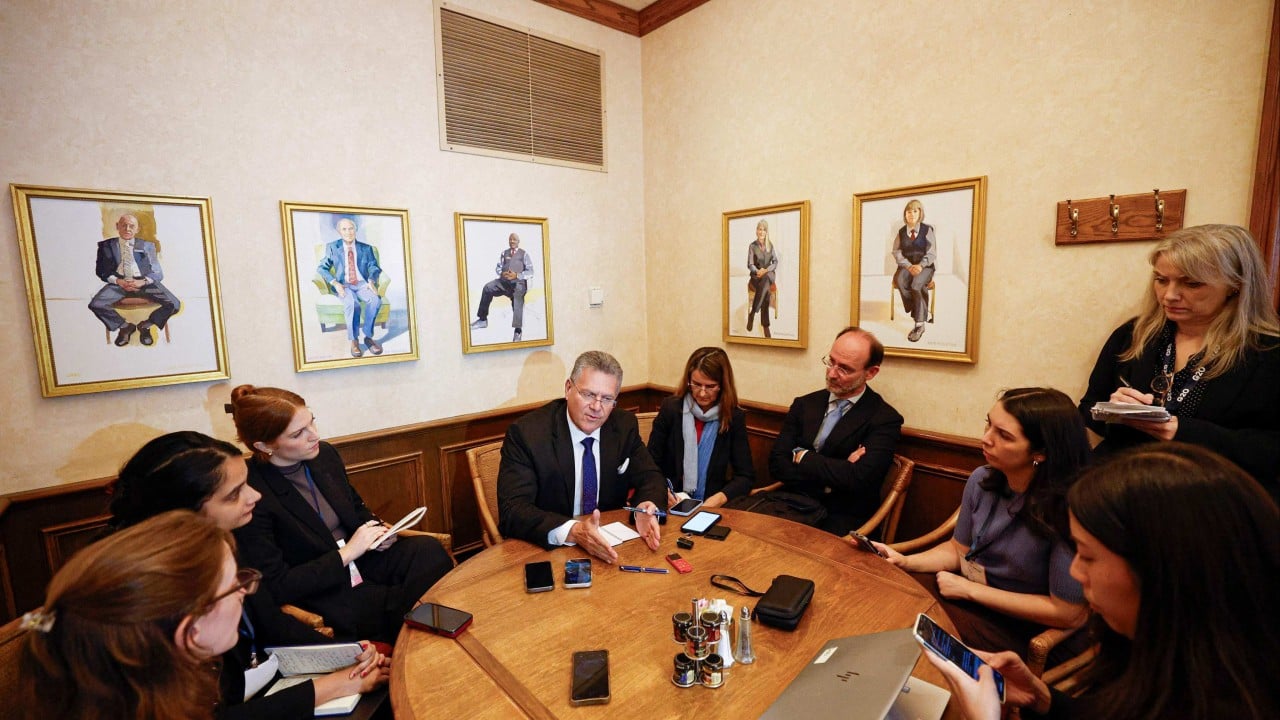
The US Trade Representative’s office says most G20 members rejected or declined to support a proposed framework addressing excess industrial capacity and non-market policies. The dispute highlights divisions over China’s subsidies and exports, although ministers agreed to condemn the use of food trade for coercive purposes.
G20 trade ministers have been divided over a US proposal to pursue cooperative action against excess industrial capacity and economic policies described by Washington as non-market-oriented. The office of the US Trade Representative said the proposed ministerial statement was supported by all but a “handful” of members. It did not identify the countries that objected, but the outcome exposed disagreement within the group during a meeting in Milwaukee.
The issue has been a central theme of US-led G20 discussions this year. Washington is conducting a second Section 301 investigation into 16 trading partners that it says show signs of excess industrial capacity. The investigation is widely expected to result in additional duties.
The United States has focused particularly on China’s industrial subsidies and production capacity. Beijing has rejected the allegation that its policies create excess capacity and has accused Western countries of using the issue to justify protectionist measures. The disagreement followed another meeting at which only Mexico and Argentina joined a US-led statement calling for further cooperation to remove goods produced with forced labour from supply chains.
The Trump administration has imposed tariffs of 10% or 12.5% on goods from 59 countries and the European Union over allegations that they do not adequately enforce forced-labour bans. Despite the split, the ministers reached consensus on condemning the weaponisation of food trade. They agreed that food and agricultural inputs should not be used to slow, block or redirect supplies in order to extract unrelated geopolitical concessions.
US Trade Representative Jamieson Greer said he did not seek a joint statement on reforming the World Trade Organization’s most-favoured-nation tariff system. The US argues that the principle can benefit subsidised, non-market economies. The US statement said some G20 members were willing to consider broader exceptions or new interpretations of existing rules.
This independently written report is based on information supplied by the named publisher. Vertrix News has not independently verified the source report.