Hong Kong optometrists warn myopia could affect 66% of eight-year-olds
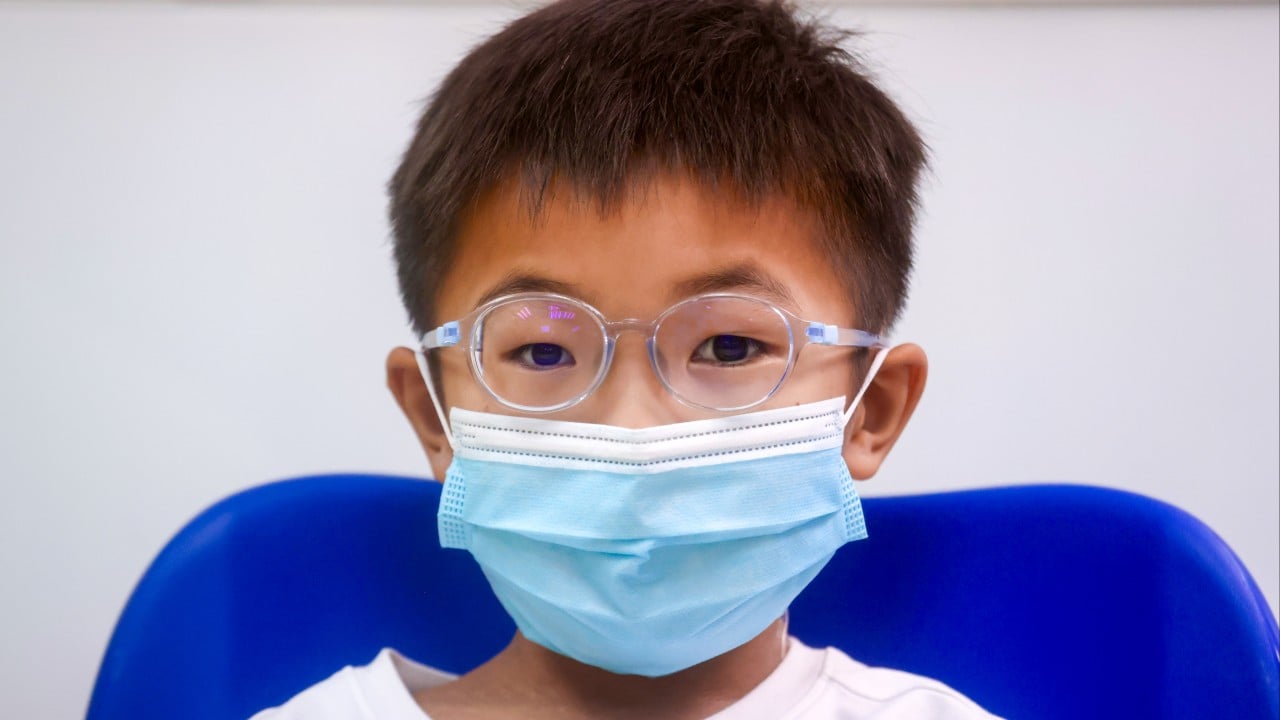
A study of more than 3,500 pupils has prompted Hong Kong optometrists to warn that 66 per cent of the surveyed children could be short-sighted by age eight in 2028. The association urged eye checks from age three, alongside more outdoor activity, reduced screen time and better reading habits.
More than 60 per cent of Hong Kong’s eight-year-olds could be short-sighted by 2028, according to a warning from the Hong Kong Association of Private Practice Optometrists. The association released findings on Sunday from a study of more than 3,500 pupils at eight primary schools. The research was conducted between November and May and focused on children’s “hyperopic reserve”, the natural long-sightedness present at birth that can delay the development of myopia.
The study found that 67 per cent of six-year-olds had less hyperopic reserve than the recommended 0.75 dioptres. A further 24 per cent were already short-sighted. Citing mainland Chinese research, the association said 62 per cent of children with an insufficient reserve would become short-sighted within two years.
Based on that finding, it projected that 66 per cent of the surveyed children could be myopic by 2028. Queenie Yip Siu-lai, the association’s president and chairwoman of its children’s eye-health task force, said early intervention was important to prevent the development of high myopia and related eye diseases. Benny Tam Bing-tin, vice-chairman of the task force, said hyperopic reserve could be influenced by factors including home size and the amount of time children spend outdoors.
He said the reserve could not be restored and that early identification was therefore important. The association recommended that parents arrange comprehensive eye examinations from the age of three. It also advised families to increase children’s time outdoors, limit screen use, maintain appropriate reading distance and posture, and ensure sufficient rest.
The group called for government policies to manage childhood short-sightedness and improve public awareness. A separate survey of 67 association members found that nearly 80 per cent of parents waited until vision problems emerged or screenings were failed before arranging eye checks.
This independently written report is based on information supplied by the named publisher. Vertrix News has not independently verified the source report.