Latvia’s United List leads election as security concerns dominate campaign
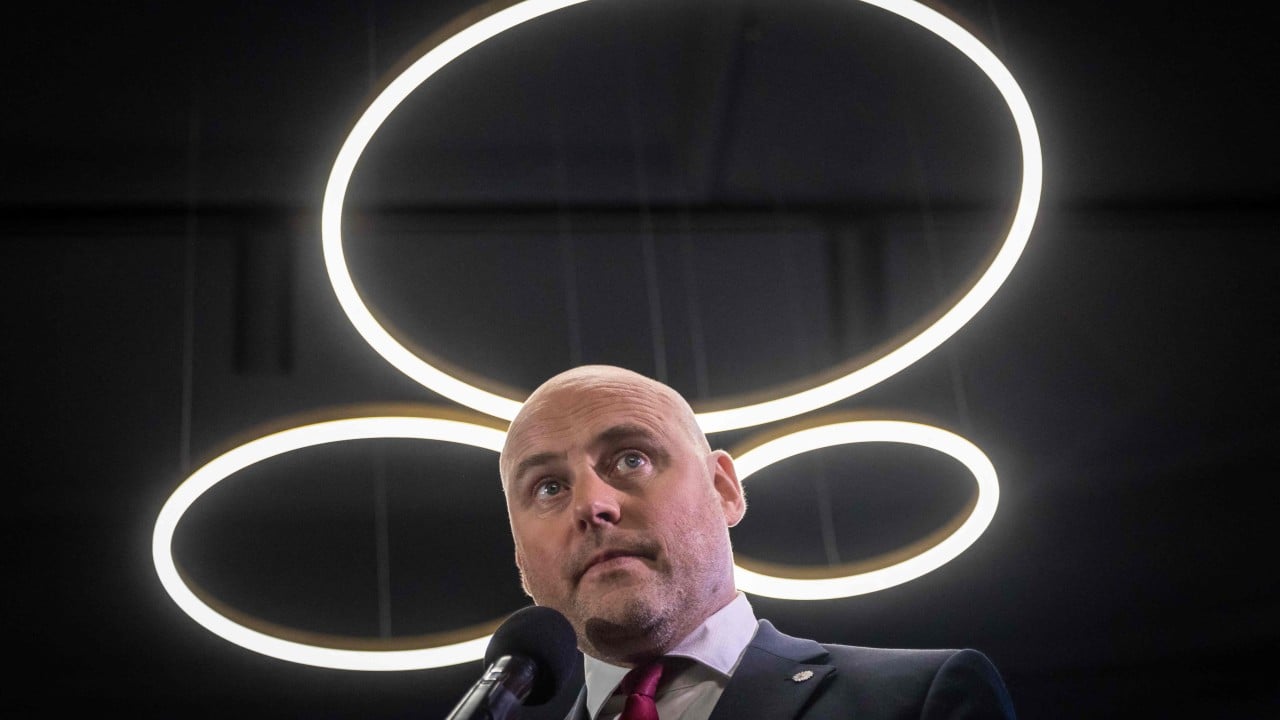
Latvia’s United List was projected to win the largest share of votes in Saturday’s parliamentary election, according to an exit poll, potentially giving Prime Minister Andris Kulbergs a strong position in coalition negotiations. The vote took place amid heightened concern over Russian security threats and border defence.
Latvia’s United List was projected to win the largest share of votes in Saturday’s parliamentary election, placing Prime Minister Andris Kulbergs in a strong position ahead of coalition negotiations, according to an exit poll by public broadcaster LTV. The poll put the United List on 35.6 per cent. If confirmed, that would be the strongest result for a party in a Latvian parliamentary election since the Baltic state regained independence from the Soviet Union in 1991.
Ballots were still being counted, with initial results expected early Sunday. Together with two current coalition partners, New Unity and the National Alliance, Kulbergs’ party could command 51 per cent of the vote, the exit poll indicated. The final numbers could change as votes were tallied.
Kulbergs became prime minister at the end of May after a response to drone incursions brought down the previous government. His support increased during the final months of the campaign, with the prime minister’s direct style and frequent social-media presence helping his party’s profile. “This is a great, great amount of trust from voters,” Kulbergs told Latvian TV after the poll was released.
He said voters wanted change, direct communication and an economy-focused government. The election was held amid heightened security concerns involving Russia. The source material said Russia had increased sabotage activity and had warned that it could strike European defence manufacturers supplying arms to Ukraine.
Latvia has been strengthening its border with Russia and Belarus and increasing defence spending, with a target of five per cent of economic output. Latvia, a member of the European Union and Nato, has strongly supported Ukraine since Russia launched its full-scale invasion. Kulbergs said Latvia hosts 20 per cent of the Ukrainian government’s data on its servers for security.
The country also has the largest Russian-speaking minority among the three Baltic states. Two parties seeking those voters were projected to receive a combined 10.8 per cent. Latvia had asked Germany to provide fighter jets during the election and plans talks on joining France’s nuclear deterrence initiative, while Paris has agreed to strengthen its air defence, Kulbergs said.
This independently written report is based on information supplied by the named publisher. Vertrix News has not independently verified the source report.