Philippines faces 20,000-teacher vacancy gap amid learning concerns
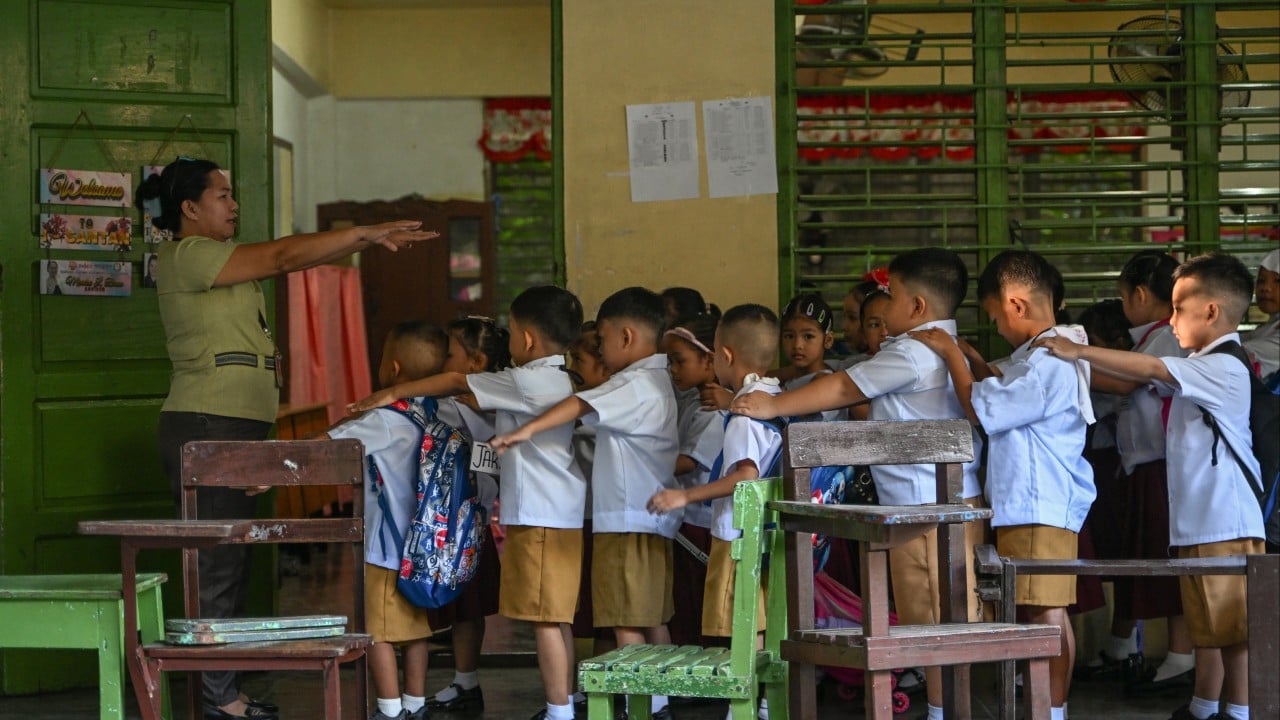
The Philippines has about 20,000 teaching vacancies, prompting educators and lawmakers to demand clearer information about recruitment, funding and deployment. Advocacy groups say delays are worsening workloads and learning gaps, while officials cite difficulties finding qualified candidates for specialised posts.
The Philippines has about 20,000 vacant teaching positions, with education advocates warning that delays in filling them are worsening workloads and contributing to a learning crisis. The figure emerged during a House of Representatives budget hearing. Antonio Tinio of the Alliance of Concerned Teachers questioned why qualified applicants remained on government registries while schools continued to report shortages.
The Department of Education said some positions were difficult to fill because qualified candidates were unavailable for specialised roles. The department is expected to receive about 976 billion pesos under the proposed 2027 budget, including more than 31 billion pesos for filling vacancies and 12 billion pesos for promoting 135,000 teachers. ACT chairwoman Ruby Bernardo said the cost of delay was being borne by pupils and teachers already in service.
She cited a World Bank finding that 91 per cent of Filipinos aged 10 could not read or understand age-appropriate texts and said recruitment needed to be treated as urgent. Philippine Business for Education executive director Hanibal Camua said some education graduates moved overseas, to private schools or to sectors offering better pay and fewer administrative demands. He also pointed to teacher qualification examination pass rates of 33 per cent for junior school teachers and 40 per cent for secondary teachers between 2009 and 2023.
Teachers said overcrowded classrooms, non-teaching duties, burnout and compensation problems were discouraging retention. Bernardo called for publication of vacancy, applicant and deployment data to establish whether the main problems were qualification shortages, mismatched placements, slow hiring or poor retention.
This independently written report is based on information supplied by the named publisher. Vertrix News has not independently verified the source report.