Taiwan seeks $850 million to expand ammunition stocks amid blockade concerns
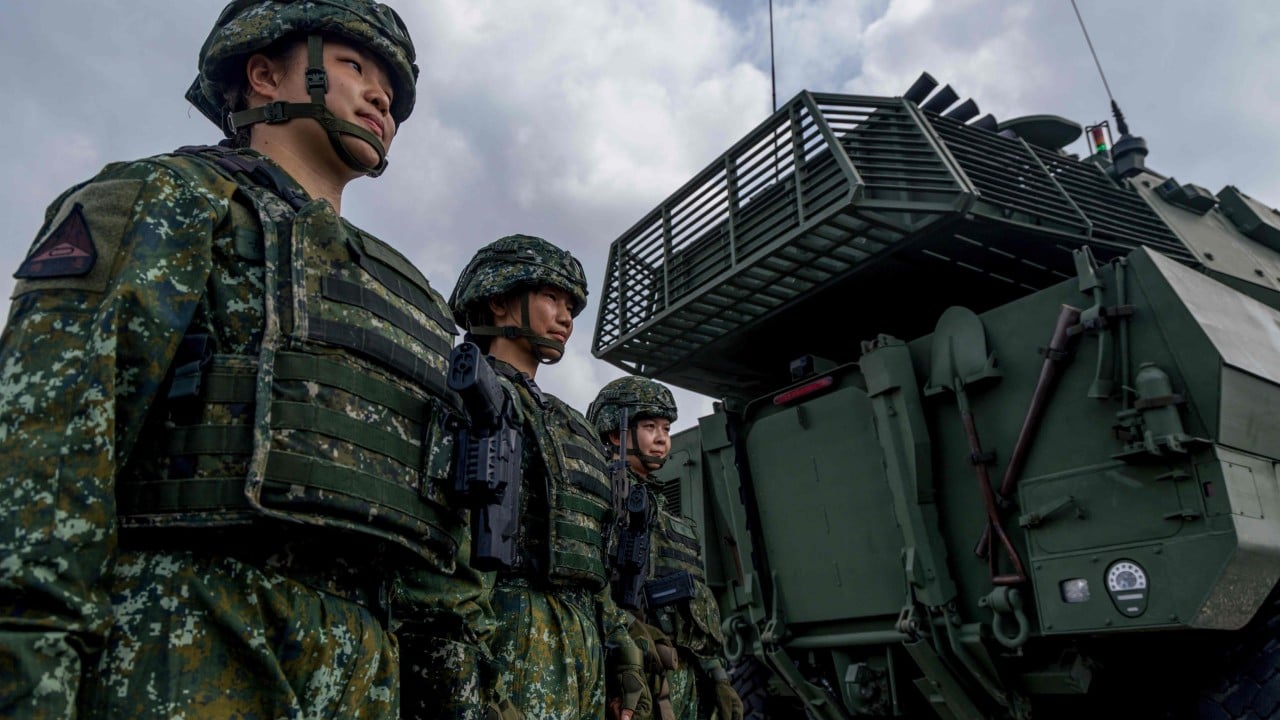
Taiwan’s military is seeking legislative approval for a six-year programme costing NT$27.59 billion, or about US$850 million, to increase critical ammunition supplies from 30 to 120 days. The plan reflects concern that a People’s Liberation Army blockade could cut external supply lines during a conflict.
Taiwan’s military is seeking more than NT$27 billion, or about US$850 million, to expand critical ammunition reserves in preparation for a possible blockade by China’s People’s Liberation Army. The proposed six-year programme would run from 2026 to 2031 and requires legislative approval. It is expected to cost NT$27.59 billion, with NT$7.3 billion proposed for this year and the same amount planned for 2027.
Taiwan aims to increase combat-ready ammunition stocks from about 30 days of supply to 120 days. The programme covers tank rounds, cannon ammunition, artillery propellant charges and high-powered explosives. The military is also separately replenishing missile stocks, including Stinger missiles, and seeking to expand local ammunition production.
Taiwan’s defence ministry has warned that the island could be vulnerable if a blockade disrupted overseas supplies. An earlier special defence programme included plans for 14 additional munitions production lines. Legislators reduced the proposed special budget from NT$1.25 trillion to NT$780 billion and limited it largely to US arms purchases, leaving the ministry to pursue some ammunition requirements through annual and supplementary budgets.
Taiwan is also expanding storage capacity. The army plans to spend about NT$4.18 billion from next year on six blast-resistant depots with combined capacity of 10,250 tonnes. Projects already planned are expected to add 18,250 tonnes of capacity by 2033.
Analysts said ammunition stocks would be crucial in a prolonged conflict. Taiwan’s defence ministry has said a blockade could prevent outside forces from intervening, while researchers urged greater local production and protection for infrastructure, energy and communications.
This independently written report is based on information supplied by the named publisher. Vertrix News has not independently verified the source report.