Trump targets Republican senator in daylight-saving time dispute
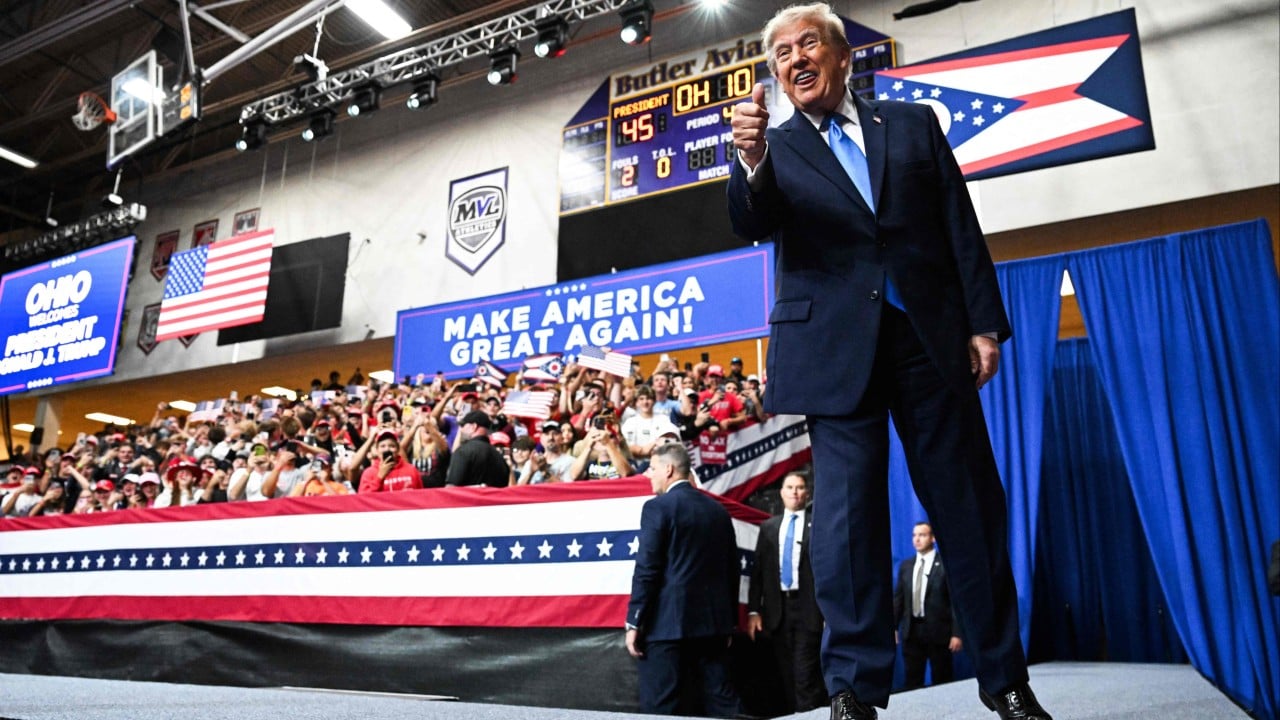
US President Donald Trump urged the public to call a phone number he said belonged to Senator Tom Cotton, escalating a disagreement over legislation that would make daylight saving time permanent. Cotton opposes the proposal, warning that winter mornings would become too dark for children and commuters.
Donald Trump has publicly targeted Republican Senator Tom Cotton in a dispute over whether the United States should adopt daylight saving time permanently, sharing a phone number he said belonged to the Arkansas lawmaker. Trump urged Arkansas residents to contact Cotton, who opposes the Sunshine Protection Act. The legislation would end the twice-yearly clock change.
Trump said permanent daylight saving time would provide more afternoon light and reflected his support in several social media posts and comments to reporters. Cotton did not directly answer Trump’s post. Instead, he said Congress had previously enacted permanent daylight saving time several times before repealing it after people experienced very late winter sunrises.
He argued that Arkansas families did not want children travelling to school in darkness. When Reuters called the number supplied by Trump, it reached a voicemail box that did not identify itself as belonging to Cotton. The source material does not establish whether the number was the senator’s.
Supporters of permanent daylight saving time say changing clocks disrupts sleep and contributes to road accidents. Opponents say later winter sunrises would leave children and commuters travelling in darkness. Most US states have observed the clock change since the 1960s, and clocks are scheduled to return to standard time on November 1.
The House of Representatives passed the bill in July, but opposition remains in the Senate. Louisiana Senator John Kennedy has described the measure as effectively dead and said he did not expect Senate Majority Leader John Thune to bring it to a vote. Trump also argued that additional afternoon light would benefit farmers, sport and outdoor activities, and suggested it could reduce crime.
His exchange with Cotton was framed as a test for the Republican Party, although Cotton’s re-election contest is not considered competitive.
This independently written report is based on information supplied by the named publisher. Vertrix News has not independently verified the source report.