UN leaders question whether multilateralism can meet global crises
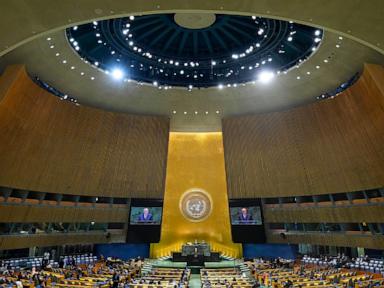
Speeches at the UN General Assembly highlighted growing frustration with the organisation’s ability to address war, climate change, artificial intelligence and other cross-border challenges. Leaders called for wider representation and reform of the Security Council, while also exposing tensions between cooperation and national sovereignty.
World leaders ended the latest United Nations General Assembly with repeated calls to restore trust in an international system many said was failing to meet global challenges. Across more than 150 speeches, leaders expressed support for multilateralism while questioning whether the UN could act effectively. El Salvador’s foreign minister, Alexandra Hill Tinoco, asked whether the organisation remained relevant.
The concerns covered war, climate change, artificial intelligence and political and military power. Samoa’s deputy prime minister, Mulipola Anarosa Ale-Molioʻo, said multilateralism was under siege, while Sri Lanka’s foreign minister said some problems could not be solved by individual countries. A central tension involved cooperation and sovereignty.
Governments urged collective action but also insisted that national rights could not be violated. Luxembourg’s head of state, Grand Duke Guillaume, said countries were more connected than ever but increasingly unable to trust one another. Many smaller and island nations argued that the current power structure left them vulnerable.
The Security Council has 15 members, but the United States, Russia, Britain, China and France retain permanent seats and veto power established after the Second World War. Leaders from island states called the veto an outdated arrangement and demanded greater representation. The Bahamas’ prime minister, Philip Edward Davis, said sovereignty should not depend on permission from powerful countries.
Africa’s demand for a permanent place on the Security Council was also highlighted. The speeches suggested broad agreement that the system needed reform, but the material did not identify any agreed changes or timetable.
This independently written report is based on information supplied by the named publisher. Vertrix News has not independently verified the source report.