US-backed Kazakhstan projects seek to challenge China’s tungsten dominance
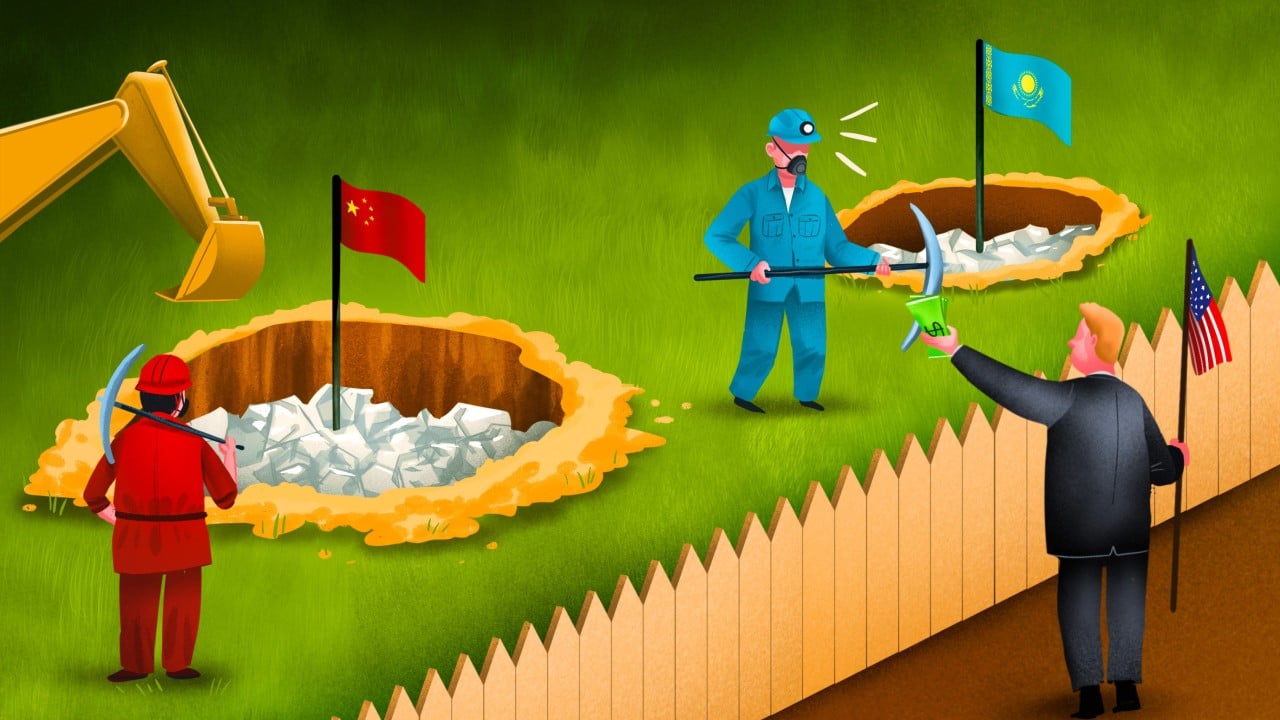
US-backed mining projects in Kazakhstan are seeking to diversify tungsten supplies as prices rise and China tightens exports. Two deposits acquired by Cove Capital are targeting production around 2028, but analysts say China retains an advantage in mining, processing, manufacturing and transport links.
US-backed mining projects in Kazakhstan are seeking to reduce China’s dominance of the global tungsten industry as prices rise and supply tightens. Global tungsten prices have increased by more than 200 per cent since May 2025, according to Argus Media. The increase followed China’s introduction of export controls on selected tungsten products in February 2025, amid limited mine supply and rising demand from defence industries.
China produced nearly 80 per cent of mined tungsten globally, or about 3.7 times the output of the rest of the world combined, according to US Geological Survey data. Its influence also extends to processing and the manufacture of tungsten products. Tungsten is valued for its hardness and resistance to heat.
It is used in industrial tools, some military equipment, semiconductors and components used in data centres. US oilfield-equipment companies have begun shifting towards steel-bodied drill bits as higher tungsten prices raise production costs. In April, US mining investment firm Cove Capital acquired a 70 per cent stake in Kazakhstan’s Northern Katpar and Upper Kairakty deposits.
Their combined development cost is estimated at $1.1 billion, with both projects still at the engineering and feasibility stage and production targeted for around 2028. China-backed projects are further ahead. Jiaxin International Resources operates the Boguty mine in Kazakhstan, which began trial production in November 2024 and commercial operations in April 2025.
Another proposed investment was included among agreements signed at a Belt and Road Summit, although details were limited. Analysts said Kazakhstan could become a major producer but would need refining capacity to compete with China. Liu Wenjing of Elistra Advisory said financing alone could not recreate China’s industrial system, which includes processing ore, producing ammonium paratungstate and manufacturing finished carbide products.
Washington is also investing in domestic processing. In September it announced a $450 million investment in Elmet Group. The Northern Katpar project is being designed to use the Trans-Caspian route to reach international markets.
This independently written report is based on information supplied by the named publisher. Vertrix News has not independently verified the source report.