Beijing rejects US lawmaker’s criticism of Starbucks Xinjiang expansion
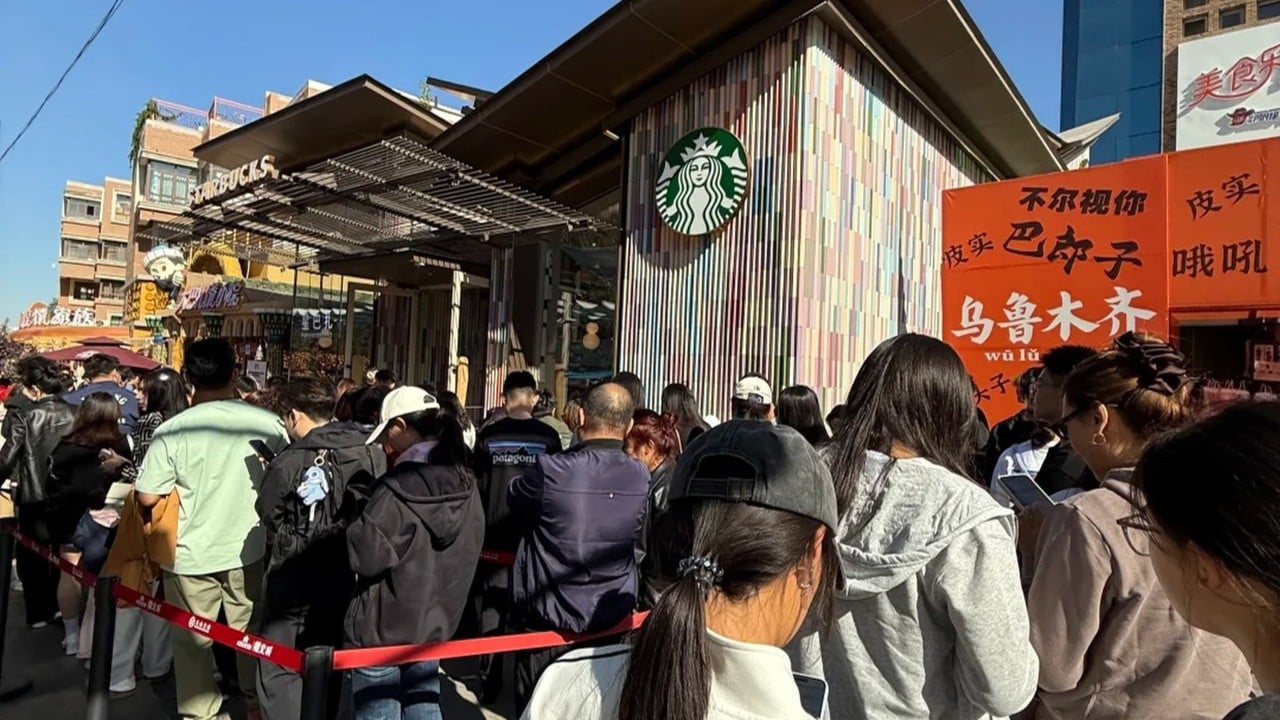
China has rejected allegations of human rights abuses in Xinjiang after a US lawmaker urged Starbucks to close two recently opened outlets in the region. Beijing called claims of genocide false, while Washington continues to cite alleged abuses against Uygurs and restrict imports linked to forced labour.
China has rejected criticism from a senior US lawmaker over Starbucks’ decision to open its first outlets in Xinjiang, denying allegations that authorities have committed serious abuses against the region’s mostly Muslim Uygur population. Foreign ministry spokesman Guo Jiakun said claims of “genocide” in Xinjiang were false and accused the US figures raising them of using the issue for political purposes. He said the region enjoyed stability, economic growth, ethnic unity and religious harmony.
Guo also said China would continue to provide opportunities for foreign companies to invest and operate in the country. His comments followed a call from John Moolenaar, the Republican chairman of the US House Select Committee on China, for Starbucks to close its new stores. Moolenaar said the company’s decision was inconsistent with its stated commitment to social responsibility.
He alleged that more than one million Uygurs had been detained and that their faith, language and culture were being suppressed. Starbucks opened two outlets in Urumqi last week, one in the Grand Bazaar tourist area and another at the city’s international airport. The bazaar store incorporates local architectural and cultural elements and sells products and drinks inspired by Xinjiang.
The expansion comes as Starbucks seeks to increase its presence in China. A joint venture completed in April with Boyu Capital gives the Chinese private-equity firm a 60 per cent stake in the company’s mainland retail operations. The United States has accused China of forced labour and other abuses in Xinjiang, allegations Beijing denies.
Washington has restricted imports under a 2021 law and recently expanded its Xinjiang-related entity list. Starbucks had not immediately commented.
This independently written report is based on information supplied by the named publisher. Vertrix News has not independently verified the source report.