Brazilian voters choose between Lula and Bolsonaro heir in tense first round
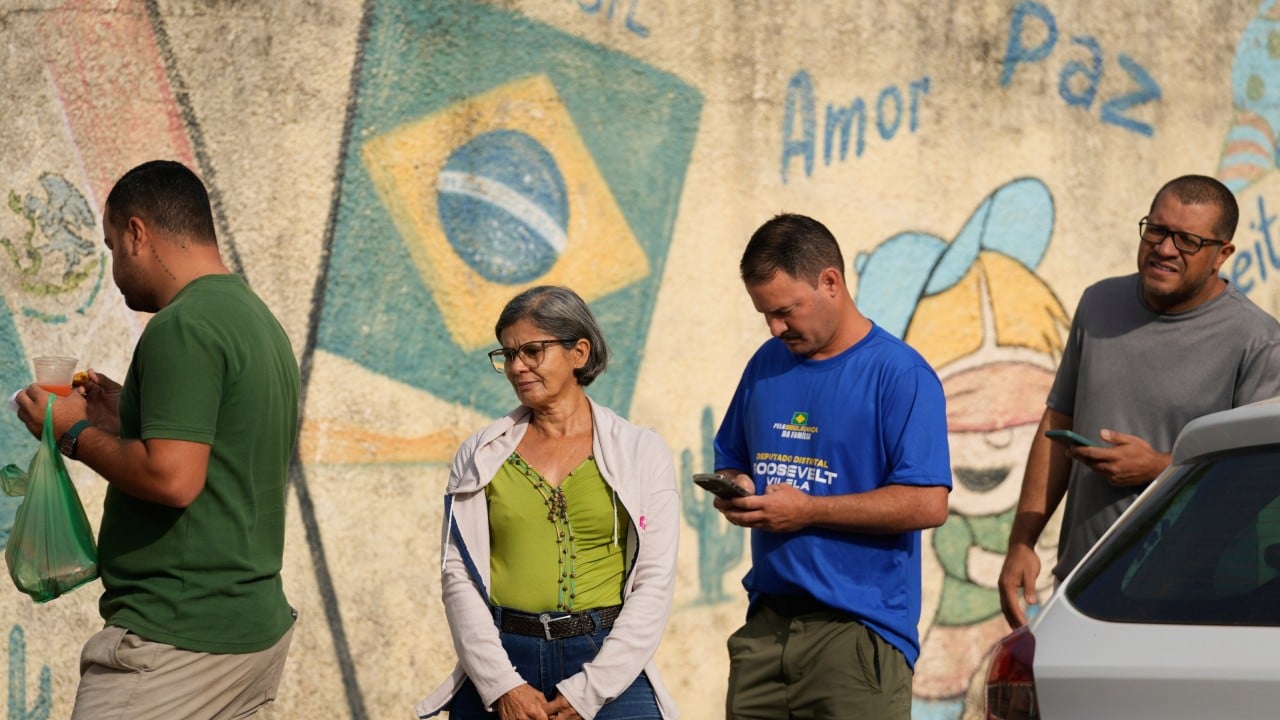
Brazilian voters are casting ballots in a polarised presidential election led by President Luiz Inacio Lula da Silva and Senator Flavio Bolsonaro. The campaign has focused on the cost of living, public finances, corruption and allegations of foreign interference, with a run-off expected if neither candidate wins a majority.
Brazilians went to the polls on Sunday in a closely watched first-round presidential election dominated by economic concerns, corruption allegations and claims of foreign interference. The contest has been led by President Luiz Inacio Lula da Silva, who is seeking a fourth term, and Senator Flavio Bolsonaro, the son of former president Jair Bolsonaro. Thirteen candidates are taking part.
If no candidate receives more than half of valid votes, the two leading contenders will compete in a run-off scheduled for October 25. Polls cited in the supplied report suggested Lula and Bolsonaro were running roughly level in a second-round contest. Bolsonaro said he hoped frustration with Lula would produce enough support for a first-round victory.
Some voters interviewed in Sao Paulo said their main priority was removing the Workers’ Party from power, while others said they were choosing Bolsonaro despite initially favouring different candidates. Lula’s supporters warned that the administration of US President Donald Trump might not recognise a victory by the Brazilian president. Trump has hosted Bolsonaro and praised him publicly, although he has not formally endorsed a candidate.
The United States has rejected claims that it is interfering in Brazil’s affairs. Brazil’s federal police have begun investigating alleged foreign interference after receiving a report from the Solicitor General’s Office. Police chief Andrei Rodrigues said the matter was under investigation but had not yet become a formal police inquiry.
The election has also been shaped by high living costs, household debt, crime concerns and public spending. Government debt is reported at above 82% of GDP, while growth forecasts were lowered to 2% this year and 2.3% next year. Voters are also electing all 513 lower-house members and two-thirds of the Senate, increasing the political significance of the ballot.
This independently written report is based on information supplied by the named publisher. Vertrix News has not independently verified the source report.