China says it will pursue military crisis-communication pact with US
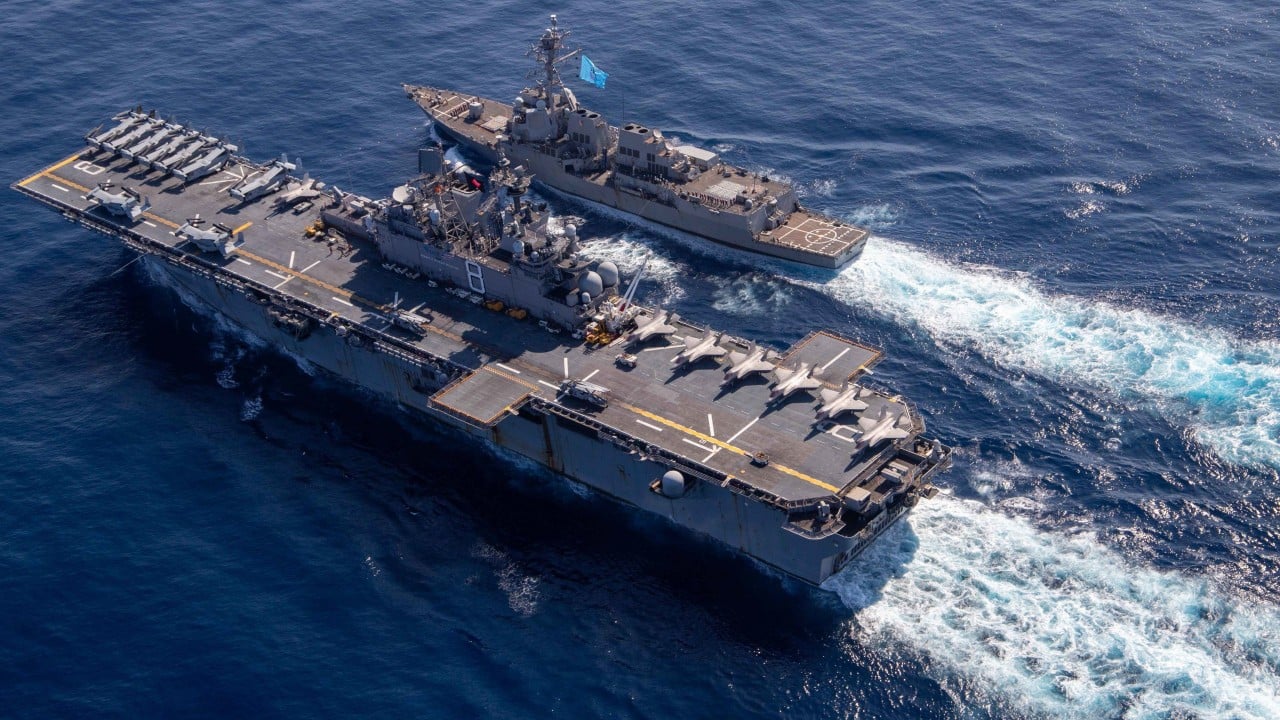
Beijing says the two militaries agreed after the Xi-Trump summit to work towards a memorandum on crisis communication and prevention. The proposed arrangement has not been publicly confirmed by Washington and its practical value will depend on the procedures and officials ultimately included.
China says it will work with the United States to conclude a new military crisis-communication agreement following the summit between Presidents Xi Jinping and Donald Trump. China’s Foreign Ministry said on Saturday that the two militaries had agreed to complete a memorandum of understanding on crisis communication and prevention as soon as possible. The announcement did not specify whether the pact would create a new hotline or establish procedures for using existing channels.
It also did not define which incidents would prompt consultations. Those details could determine whether the proposed mechanism is useful during a confrontation involving military aircraft or naval forces. The commitment was not included in the White House’s account of the summit, and neither the Pentagon nor US Indo-Pacific Command had publicly confirmed it as of Saturday.
Beijing announced it separately from eight other summit outcomes involving trade, artificial intelligence, counternarcotics cooperation and international affairs. China also said the two militaries would continue cooperating to locate the remains of missing US service members in China. The announcement follows a resumption of senior-level military contacts after a prolonged interruption.
US Indo-Pacific commander Admiral Samuel Paparo met General Yang Zhibin of the People’s Liberation Army’s Eastern Theatre Command in late August. According to the US military, they discussed maintaining senior communication and reducing miscalculation. The proposed memorandum would not remove the strategic disagreements between Washington and Beijing.
Denny Roy of the East-West Center said military communication could nevertheless help commanders understand each other’s actions and reduce the risk that a manoeuvre would be mistaken for hostility. Its effectiveness would depend on agreed procedures, authorised officials and continued access during the political disputes in which direct contact is most needed.
This independently written report is based on information supplied by the named publisher. Vertrix News has not independently verified the source report.