Election concerns are real, but they do not alone explain BJP dominance
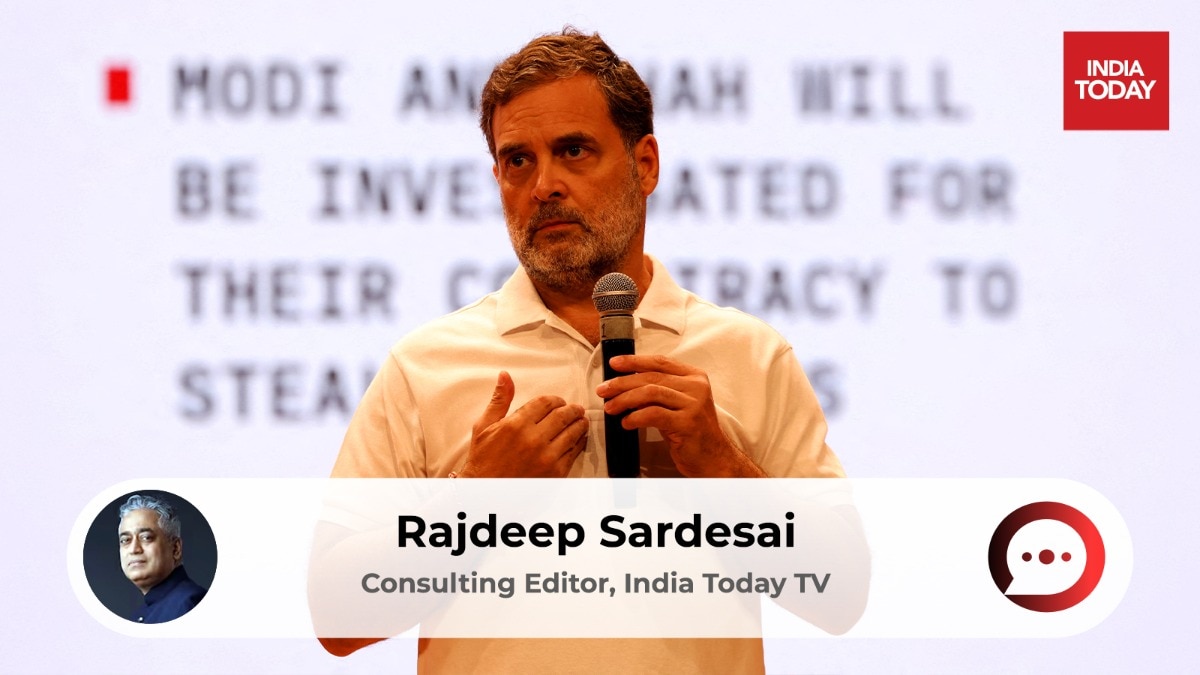
Rahul Gandhi has argued that electoral processes may be helping sustain the BJP’s hold on power, while critics say the claim risks overlooking the party’s popularity, organisation and financial strength. The supplied analysis says questions over voter-roll revisions deserve scrutiny but should not replace examination of the Opposition’s own weaknesses.
Rahul Gandhi’s criticism of India’s electoral system has highlighted genuine concerns about the Election Commission’s credibility, but it does not by itself explain the BJP’s continued electoral strength, according to the supplied analysis. Gandhi has questioned why Prime Minister Narendra Modi and the BJP have appeared resistant to anti-incumbency after more than a decade in power. He has alleged that manipulation of the electoral process helps the Modi-led party remain in office.
The analysis says concerns about the Special Intensive Revision, the “logical discrepancy” category in West Bengal, large-scale deletions and delays in deciding appeals warrant scrutiny. It cites 22 lakh citizens who have appealed in West Bengal, of whom about 1.26 lakh cases had been decided, with 93% of those adjudicated cases reportedly involving legal voters. These figures, it argues, raise questions about transparency and due process.
It says voters should not have to bear the main burden of proving their eligibility when database mismatches or opaque verification procedures threaten their place on the electoral roll. However, the analysis also warns against treating electoral-system allegations as the principal explanation for BJP dominance. Since 2014, elections have shown strong personal support for Modi in much of the Hindi heartland and western India, it says.
The BJP has also developed a broad organisational network, links with the RSS ecosystem, substantial financial resources and a powerful communications operation. Official expenditure statements cited in the analysis show that the BJP reported spending ₹529.38 crore across five Assembly elections, compared with ₹248.55 crore reported by the Congress. In West Bengal alone, the BJP reported spending ₹286.99 crore.
The figures do not prove wrongdoing, but indicate a substantial resource imbalance. The Congress also faces internal problems, including leadership disputes, organisational decline, factionalism, defections and weak State-level structures. Anti-incumbency has not disappeared: the BJP lost major State governments in 2018, Karnataka in 2023 and its parliamentary majority in 2024.
The central question, the analysis concludes, is why the Opposition has not converted such setbacks into a sustained national alternative.
This independently written report is based on information supplied by the named publisher. Vertrix News has not independently verified the source report.