Indonesia weighs nationwide free public education plan amid cost concerns
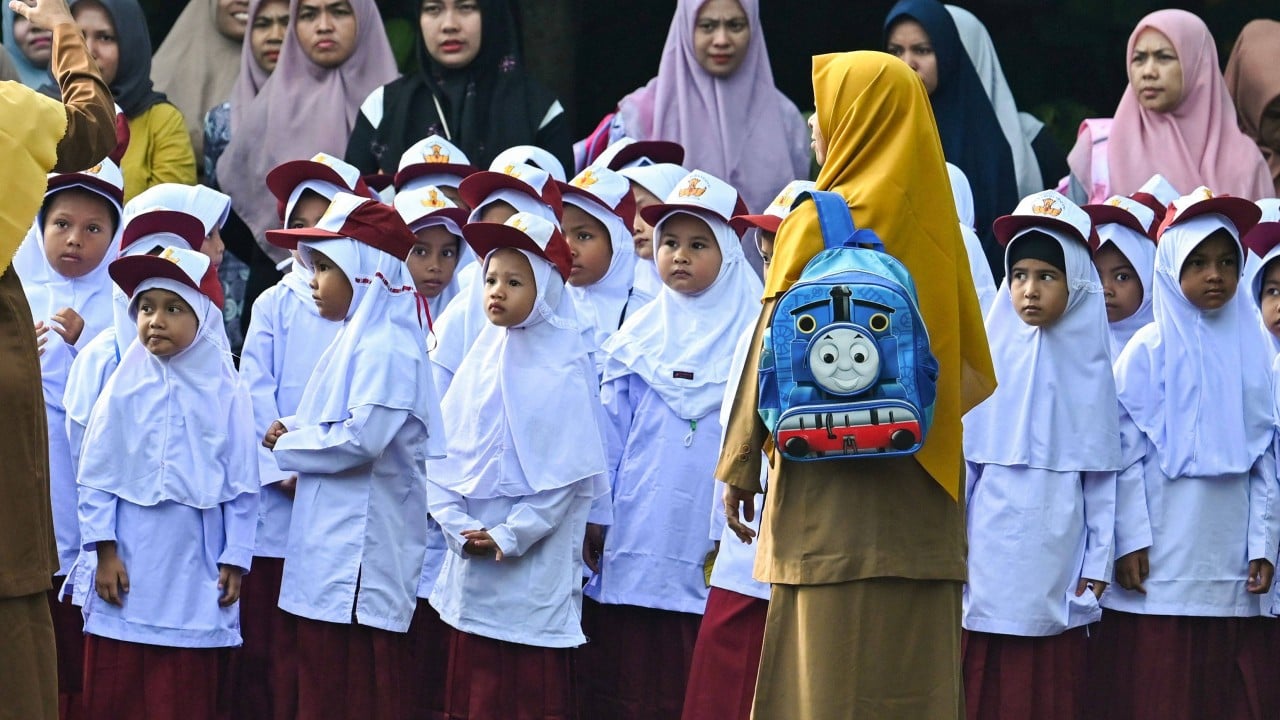
Indonesia’s government is preparing plans to remove fees at public schools from kindergarten through university, but education experts question whether the state can finance the proposal. Officials estimate the school and university measures could require hundreds of trillions of rupiah annually, while analysts warn that quality and access barriers extend beyond tuition.
Indonesia is pursuing a plan to make public education free from kindergarten through university, although analysts have warned that pressure on the state budget could limit its implementation. President Prabowo Subianto recently summoned ministers to discuss accelerating the programme, according to cabinet secretary Teddy Indra Wijaya. The proposal covers public preschool, elementary, junior high, senior high and vocational schools, as well as state universities.
Wijaya said there were about 164,000 public schools at the primary and secondary levels. The government also aims to finalise plans within two to four weeks to remove standard tuition and initial admission fees at state universities. Officials estimate that making education free could cost up to 302 trillion rupiah, or US$16.9 billion, each year.
Of that amount, 93.7 trillion rupiah would be required to eliminate tuition at state universities. President Prabowo has said the funding could come from money recovered from corruption. Totok Soefijanto, a higher education rector, questioned that approach, saying the budget source was unclear and not guaranteed.
Indonesia already allocates 20 per cent of its state budget to education, equivalent to 769.09 trillion rupiah this year. However, experts said much of the money was directed towards routine costs, including salaries and allowances, rather than teacher training, facilities and improvements in learning. Education costs also include books, uniforms, transport and school donations.
Experts warned that students from poor families may still be unable to attend university even if tuition is waived, because some must work or lack the resources to pass competitive entrance examinations. They said any free-education policy should therefore be combined with measures targeted at low-income students and those in remote areas, while protecting teaching quality and educator welfare.
This independently written report is based on information supplied by the named publisher. Vertrix News has not independently verified the source report.