North Korea tells UN it will rely on its own strength amid tensions
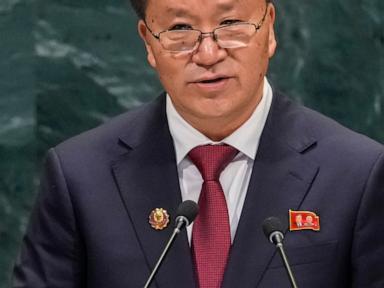
North Korea used its annual United Nations address to condemn international confrontation and defend its nuclear deterrent, while offering no direct threats in what was described as a relatively restrained speech. Pyongyang blamed US, South Korean and Japanese security cooperation for regional instability and said it would pursue self-reliance.
North Korea told the United Nations that the world faced growing distrust and confrontation, while insisting that it would rely on its own efforts in a multilateral international system. Vice Foreign Minister Kim Son Gyong delivered the address on Monday. The Associated Press described the speech as relatively mild by North Korean standards because it contained no direct threats, although it repeated Pyongyang’s criticism of rival states and its defence of nuclear weapons.
Kim said North Korea’s deterrent was sufficient to discourage an attack and argued that security on and around the Korean Peninsula was being maintained because of the country’s self-defensive capabilities. He described the nuclear force as central to protecting North Korea’s sovereignty, security and peace. He condemned what he portrayed as cooperation between Japan, South Korea and the United States, saying an increasingly aggressive military bloc with a nuclear element had provoked North Korea and destabilised the peninsula.
Kim did not mention North Korea’s own contribution to regional tensions, including missile launches. Two days before the UN meeting began, North Korea launched two short-range ballistic missiles towards the sea, according to the supplied material. The launches followed a threat to strengthen the country’s nuclear deterrent capabilities.
Kim also criticised Japan, describing it as an “A-class war criminal”, and accused a small number of countries of causing paralysis at the United Nations through unilateralism. He said multilateralism and a multipolar international order represented an emerging trend based on justice and equity. The Korean Peninsula remains technically at war after the 1950-53 conflict ended with an armistice rather than a peace treaty.
The available material says Monday’s speech did not announce specific actions likely to trigger an immediate regional response.
This independently written report is based on information supplied by the named publisher. Vertrix News has not independently verified the source report.