Trump-Xi summit signals closer US-China management of rivalry, analysis says
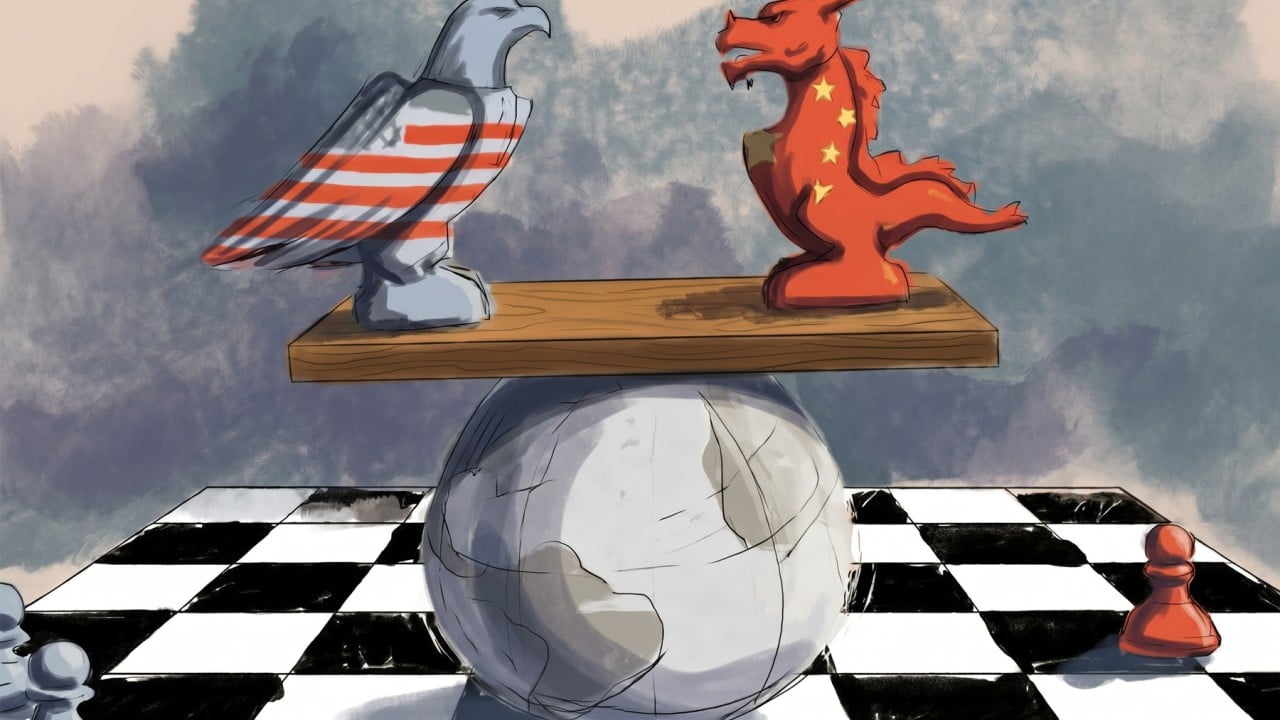
An analysis of the latest Donald Trump-Xi Jinping summit says the meeting may have implications well beyond a temporary trade truce, particularly for Japan and Taiwan. While Chinese state media praised the encounter and US commentators dismissed its substance, the summit presented the two powers as seeking a more stable relationship amid continuing disputes.
The latest meeting between US President Donald Trump and Chinese President Xi Jinping has reinforced the idea that Washington and Beijing may seek to manage their rivalry through a more prominent two-power framework, according to an analysis in the South China Morning Post. Chinese state media portrayed the summit as a major step towards a new relationship between the two powers. US media and commentators, by contrast, largely described the meeting as symbolic, pointing to a two-month extension of a trade truce and an agreement to open a dialogue on artificial intelligence.
The analysis argues that both readings miss part of the significance. It says Trump’s decision to give Xi a high-level reception, including meeting him at the airport, showed that Washington was treating Beijing as an equal despite years of confrontation over trade, technology and semiconductors. The two leaders agreed to work towards a “constructive China-US relationship of strategic stability” based on respect, fairness and reciprocity.
They also referred to the countries’ cooperation during the Second World War. The analysis says those references carry particular weight for relations involving Japan and Taiwan. Japan has become uneasy after Prime Minister Sanae Takaichi said a Taiwan crisis could draw a Japanese military response.
The analysis says Beijing has since used propaganda and economic pressure against Tokyo. Trump called Takaichi for about 20 minutes after the summit to brief her, suggesting that reassurance was needed. Taiwan was also a sensitive issue.
Xi urged Washington to oppose Taiwan independence, while the White House statement did not mention the island. US ambassador to China David Perdue said US policy had not changed, but also discussed the possibility of China buying American weapons. Trump denied that he had made such a proposal, though he said it might be a good idea.
The summit did not resolve wider disagreements. Trump raised three-way arms-control talks with Russia and China, while Beijing has previously rejected joining such negotiations. The two countries will continue competing over AI and other advanced technologies, but the analysis says the meeting demonstrated that cooperation remains possible where interests overlap.
The proposed G2-style relationship remains uncertain. Trump’s unpredictability, divisions within his administration and future US elections could alter the direction. Further meetings are expected in Shenzhen and at the G20 in Miami.
This independently written report is based on information supplied by the named publisher. Vertrix News has not independently verified the source report.