Exhibition examines what Britain knew about the Holocaust during the war
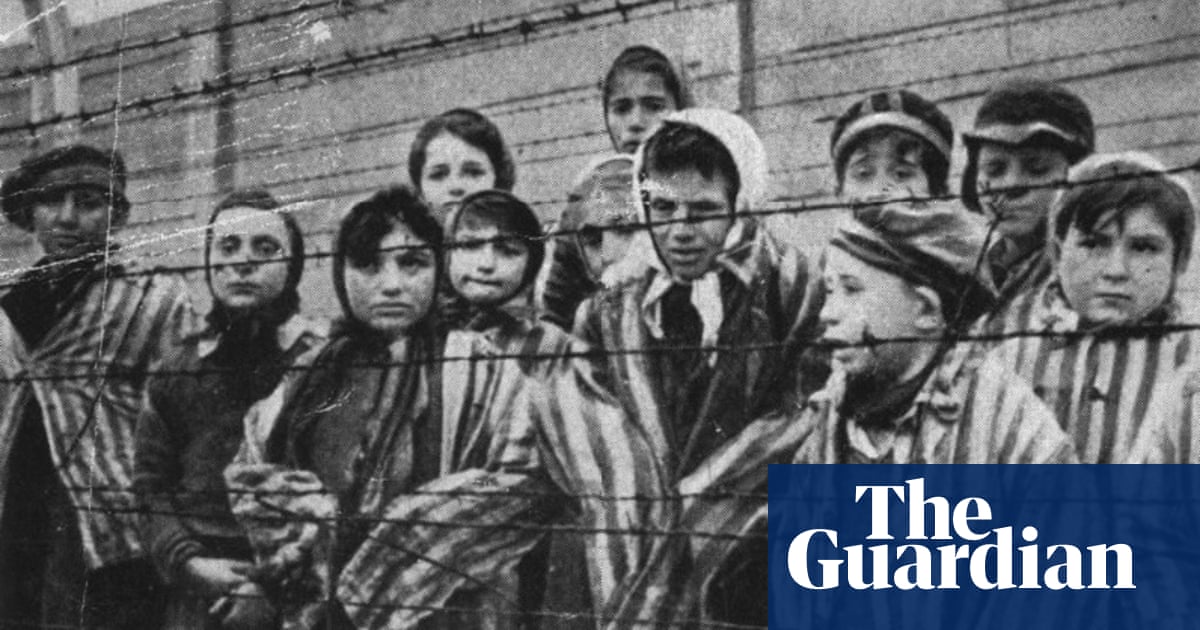
A touring exhibition is examining how information about the Holocaust reached Britain during the Second World War, challenging the belief that the country learned of the genocide only at the war’s end. The display is linked to plans for a permanent national Holocaust Memorial and Learning Centre in London.
A new exhibition is examining what Britain knew about the Holocaust while the genocide was taking place, as plans advance for a permanent national Holocaust Memorial and Learning Centre in London. The exhibition was viewed privately by MPs at Portcullis House in September and is due to tour the United Kingdom. Its research draws on newspaper reports, broadcasts, academic studies, witness testimony and government archives.
Martin Winstone, senior historical adviser to the Holocaust Educational Trust, said information about the mass murder was widely available in Britain by 1942, the year in which most Holocaust victims were killed. He said the Manchester Guardian reported extensively on the persecution and urged stronger action to help refugees and pressure neutral countries to open their borders. Much of the information, including details of death camps, was carried out of occupied Poland by couriers to the Polish government-in-exile in London.
The exhibition presents the British response as complex. Winstone said the government prioritised winning the war as the means of stopping the persecution, while critics argued that rescue could not be postponed indefinitely. Government records also showed conflicting public attitudes.
Ministry of Information bulletins reported broad sympathy for Jews in occupied Europe alongside anti-migration and antisemitic sentiment directed at Jews in Britain. Winstone said Britain’s restrictive immigration laws in the 1930s reflected, in part, antisemitism, although restrictions were eased to allow Jewish children to enter without visas after the Kristallnacht pogrom in 1938. The exhibition also highlights humanitarian efforts by Jewish communities, Quakers, parliamentarian Eleanor Rathbone and other British women.
A 2021 Claims Conference survey found that 21% of the British public knew the UK government had been aware of the mass murder as early as 1941. The display is scheduled for Northern Ireland’s Assembly from October 30 to November 13, the Scottish Parliament from December 7 to 10, and Cardiff from January 16 to February 4, 2027. A Manchester showing is also expected.
The planned London memorial has no confirmed opening date, while its planning application is being reconsidered.
This independently written report is based on information supplied by the named publisher. Vertrix News has not independently verified the source report.