Free speech concerns could influence Labour votes, Liberty poll finds
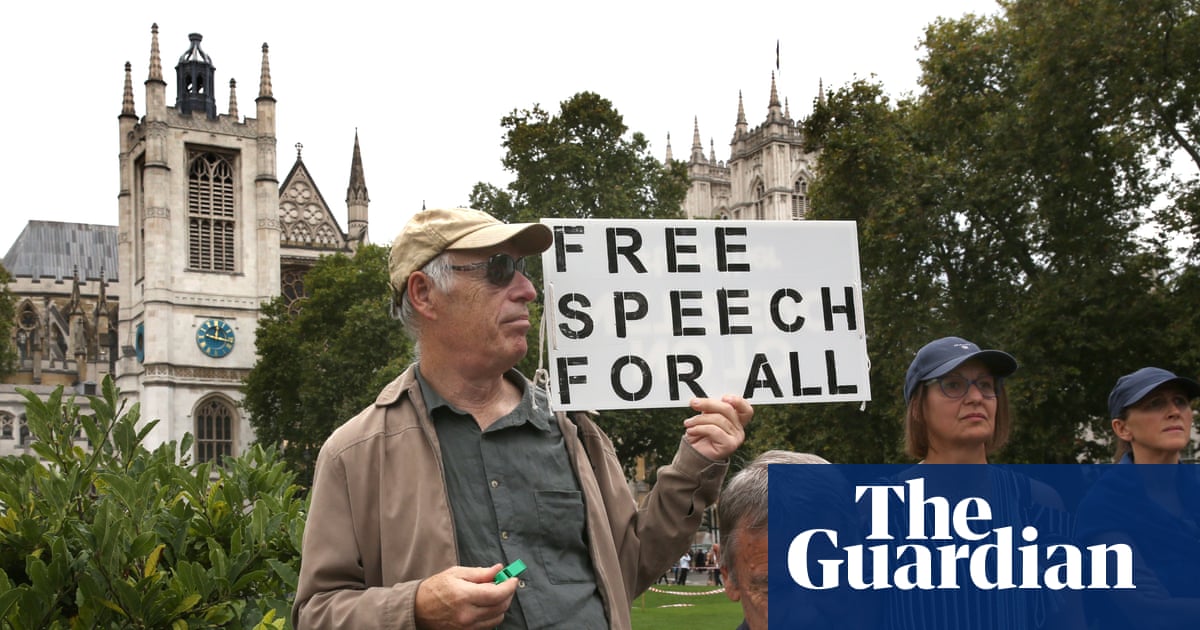
A poll commissioned by Liberty suggests that three in five people in Great Britain say a party’s position on free speech would affect their vote. The rights group says Labour risks losing support, while the Home Office says the government protects speech and peaceful protest but will act against unlawful conduct.
Three in five people say a political party’s position on free speech would affect how they vote at a general election, according to polling commissioned by the rights organisation Liberty. Liberty said the findings showed that Labour’s approach to free speech could cost it support. More in Common questioned a nationally representative sample of 2,017 people in Great Britain between September 11 and 15.
Two in five respondents said arrests of people holding signs supporting the proscribed group Palestine Action had negatively affected freedom of speech. About one in five said the arrests had had a positive effect. More than a third also said politicians calling for phrases to be banned at protests was bad for free speech, compared with just over a quarter who considered it positive.
More than half said describing protests as “hate marches” or “thuggery” was harmful to free speech. Views were more evenly divided on giving police greater powers to restrict protests or marches. Around a third said such powers were good and a similar proportion said they were bad.
Akiko Hart, Liberty’s director, said the findings should prompt the government to adopt a consistent and non-partisan approach to protecting the right to speak freely while guarding people from discrimination. The Home Office said freedom of speech and peaceful protest were fundamental rights that the government would protect. It added that there was a distinction between expressing a view and unlawful conduct, including inciting hatred or violence and supporting proscribed organisations.
The polling was released before a Liberty and More in Common panel event at the Labour party conference. The material also refers to expanded police powers under the Crime and Policing Act and a forthcoming Supreme Court appeal concerning the proscription of Palestine Action.
This independently written report is based on information supplied by the named publisher. Vertrix News has not independently verified the source report.