US-China summit seen as tension management rather than breakthrough
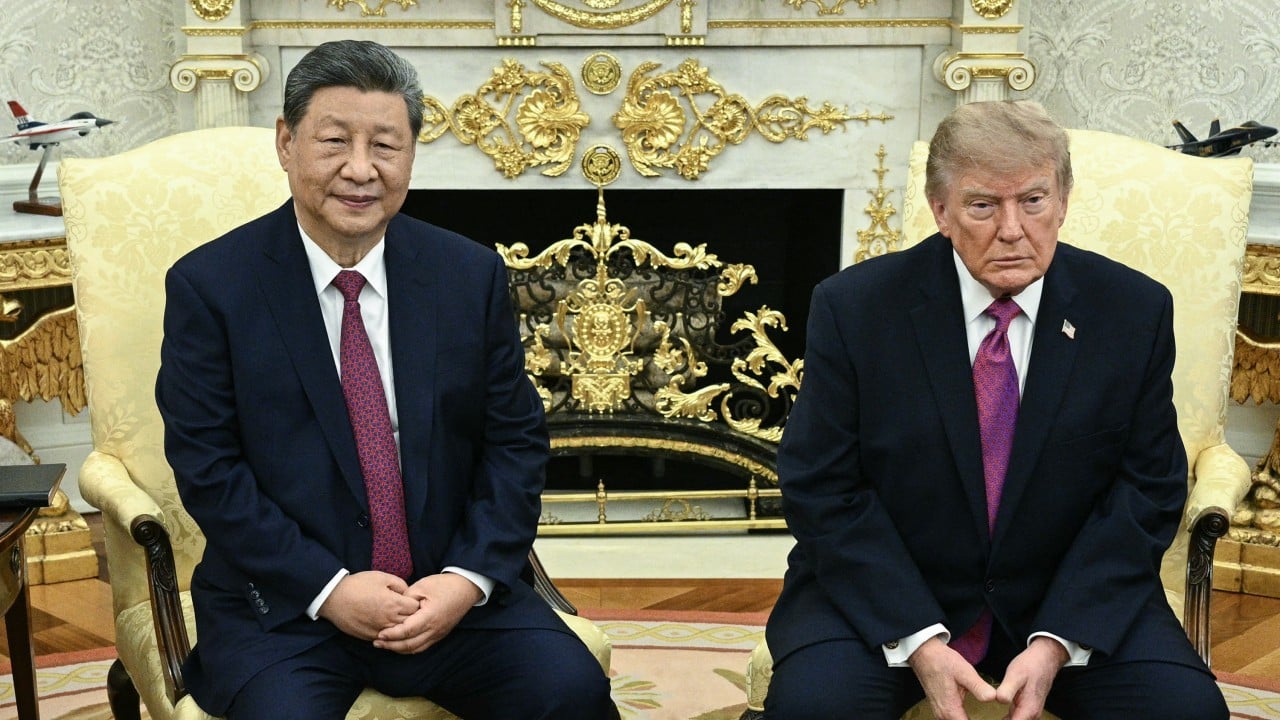
China watchers in the US Congress and policy community say the latest Xi Jinping-Donald Trump summit produced limited, incremental agreements rather than a major breakthrough. The countries extended a trade truce and agreed on several measures, but continued to differ over Taiwan and broader strategic issues.
The latest summit between Chinese President Xi Jinping and US President Donald Trump has been viewed by some American China experts as an effort to manage tensions rather than resolve the countries’ fundamental disputes. The three-day visit produced announcements on extending the trade truce, investment, artificial intelligence dialogue, visas, fentanyl precursors and pandas. The two sides also agreed to reduce tariffs on non-sensitive goods worth about US$30bn each way and establish an agricultural trade working group.
Mike Kuiken of the US-China Economic and Security Review Commission said the meeting was largely about preserving the status quo. He said any breakthroughs were more likely to be incremental and would require difficult negotiations. Taiwan remained a sensitive issue.
Xi urged Trump to oppose Taiwan independence, while US ambassador David Perdue said Washington’s policy had not changed. Democratic Congressman Ami Bera said the US should maintain its commitments and seek to avoid confrontation. Some Republicans criticised Trump’s reception for Xi and the delay to a proposed US$14bn arms package for Taiwan, while others said Xi had left without securing major concessions.
The leaders are expected to meet again at summits in Shenzhen and Miami later in the year.
This independently written report is based on information supplied by the named publisher. Vertrix News has not independently verified the source report.